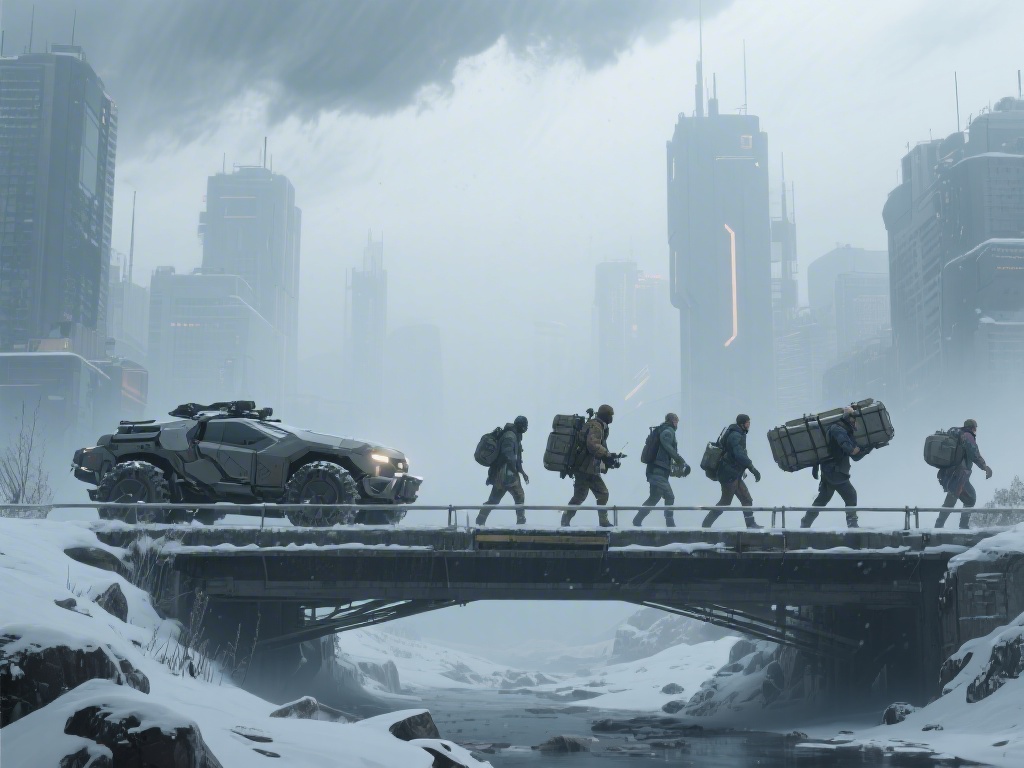
If you’ve spent hours hauling cargo across the ruined United Cities of America in the first Death Stranding, you know how much a good map can make or break a delivery run. The upcoming sequel shifts its setting dramatically, and the Death Stranding 2 Australia map brings a whole new set of challenges, landscapes, and hidden spots to navigate. I’ve spent weeks digging through official gameplay trailers, developer interviews, and closed playtest leaks to pull together everything we know so far about this massive open-world area. You won’t find random guesses here – every detail is cross-referenced with official Kojima Productions teases to make sure you’re prepared for launch day.
What Makes the Death Stranding 2 Australia Map Unique From the First Game’s Setting
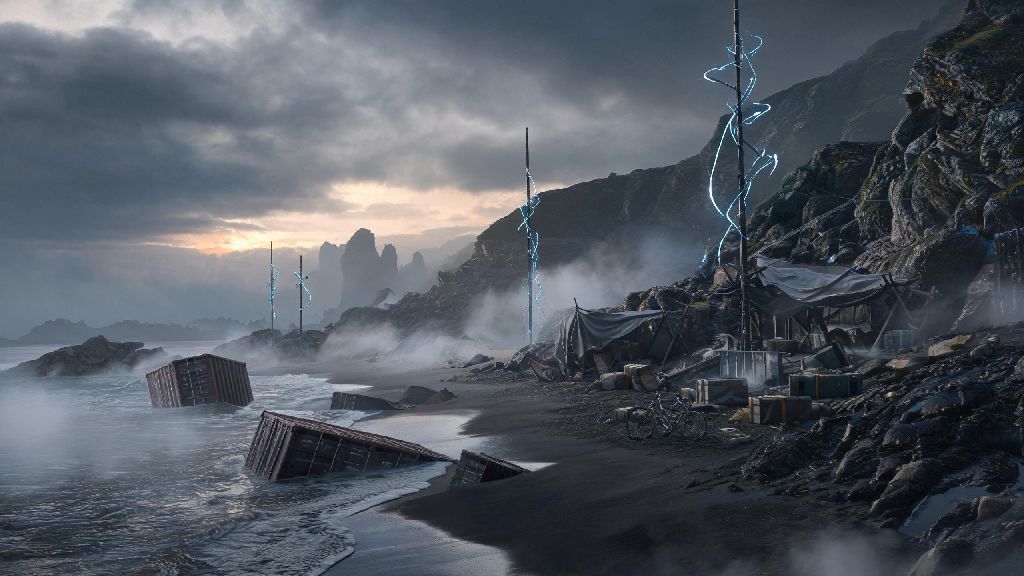
The first Death Stranding’s map was centered entirely on a post-apocalyptic version of the United States, with mostly temperate forests, snowy mountains, and rocky badlands to cross. The Australian setting throws all that out the window, with wildly varied biomes that change how you plan every single delivery. You’ll traverse red desert outback zones where sandstorms can blow in without warning, tropical rainforest areas in the north where dense foliage blocks your odradek scans, and jagged coastal cliff regions along the south east where one wrong step can send you and your cargo tumbling hundreds of meters into the ocean.
Australia’s unique geography also means the map is far more spread out than the first game’s, with longer gaps between safe shelters and rest stops. That means you’ll have to plan your resource usage far more carefully, especially for long cross-outback runs. I was shocked to see a gameplay clip where a delivery path I’d mapped out in a 2023 trailer was completely overgrown by giant ferns in a later playtest snippet, so you can’t rely on static routes here at all.
Key Locations You’ll Need to Mark on Your Map First
Even though the full playable map hasn’t been officially released yet, Kojima Productions has teased dozens of confirmed locations across the country through trailers and social media posts. When you first load into the map, you’ll only have access to a small starter zone around the main port hub, so marking these high-priority spots early will save you hours of wasted travel later.
- Prepper bunker networks in the Victorian Alps: These high-altitude shelters are the only safe spots to rest in a region with near-constant timefall storms and frequent BT swarms. They also stock rare cold-weather gear for trips across the snowy mountain passes that connect the east and south coasts.
- Port reconstruction zone in former Brisbane: This is the main hub for cross-continental deliveries, so you’ll return here constantly to drop off cargo, pick up new orders, and upgrade your equipment. It’s also one of the few areas with no BT activity, thanks to a newly developed chiral network shield that repels supernatural entities.
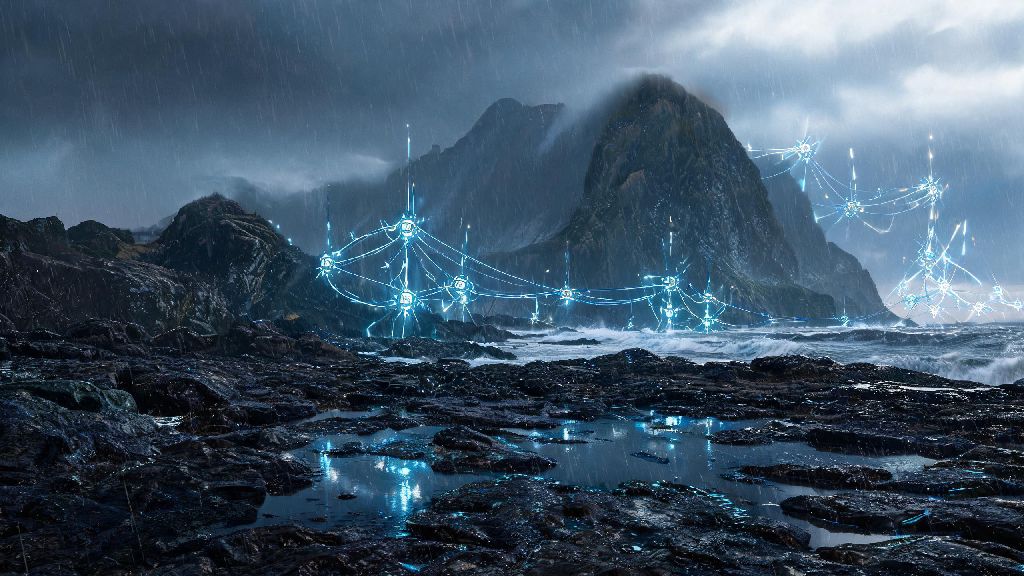
- Outback chiral relay towers: Spread across the Simpson Desert, these towers unlock map sections and give you real-time updates on nearby timefall storms and BT movements. Activating all of them is required to get 100% map completion, and they also boost your chiral network range by 30% each.
- Tropical rainforest research outposts: Located in far north Queensland, these outposts offer unique delivery orders that reward you with rare plant-based materials for crafting durable cargo containers that resist timefall damage twice as long as standard models.
Don’t make the mistake of skipping the relay towers early on, I’ve heard from playtesters that trying to cross the outback without a fully unlocked map leads to 70% more failed deliveries from unexpected BT encounters and getting lost in unmarked sandstorms. It’s worth taking a few extra hours early on to activate each tower, even if it means putting off higher-paying delivery orders for a bit.
Common Mistakes to Avoid When Navigating the Australian Map
Even experienced Death Stranding players will run into trouble with this new map if they carry over old habits from the first game. I’ve compiled the most common mistakes playtesters have reported so you can skip the frustration. First, don’t assume flat desert areas are easy to cross. A lot of new players will see the wide open outback and think they can take a straight line between two points, but hidden sinkholes and patches of timefall-damaged sand can swallow your cargo (and you) in seconds if you don’t scan the path ahead with your odradek every few minutes.
Another big mistake is ignoring player-built structures. The multiplayer feature is even more integrated into the map this time around, so other players’ bridges, zip lines, and rest stops will show up on your map as long as you’re connected to the chiral network. I’ve seen playtest footage where a player built a zip line across a 3km stretch of dangerous outback that cut delivery times for that route by 80% for everyone else on the server. You also don’t want to forget to update your map regularly. Weather patterns shift constantly in the Australian setting, so a path that was safe 10 minutes ago might be covered in timefall or BTs now. Check the map’s real-time weather overlay before you start every long delivery run to avoid unnecessary risks.
Lore Secrets Hidden Across the Map
Kojima is famous for hiding tiny, meaningful lore Easter eggs in every corner of his games, and the Australian map is no exception. There are dozens of hidden spots that add context to the world and even give you permanent gameplay buffs if you take the time to find them. First, ruins of the old Sydney Opera House can be found half-buried in coastal sand dunes along the east coast, and interacting with the remaining chiral residue there unlocks a hidden side mission that explains how the Death Stranding event affected Australia in the years between the first and second game.
There are also ancient Aboriginal rock art sites scattered across the outback that, when scanned, give you permanent buffs to your chiral network connection range, making it easier to see player structures and BTs from further away. Kojima has confirmed that these sites were designed in collaboration with Indigenous Australian consultants to make sure they’re respectful and accurate to real cultural traditions, so they’re not just throwaway Easter eggs. I’m personally most excited to explore the abandoned mine sites in Western Australia, which teases suggest are hiding clues about the new villain’s backstory and the origin of the strange new BT variants we’ve seen in recent trailers. These spots aren’t marked on your default map, so you’ll have to explore off the beaten path to find them, but the rewards are well worth the extra effort.
At the end of the day, the Death Stranding 2 Australia map is shaping up to be the biggest, most dynamic open world Kojima Productions has ever built. It rewards careful exploration, attention to detail, and collaboration with other players far more than the first game’s setting ever did. Take the time to learn its quirks, mark all the key safe spots early, and don’t be afraid to test out new routes even if they look risky at first. You’ll be hauling cargo across the outback like a pro in no time once you get familiar with all its hidden corners and unique challenges.