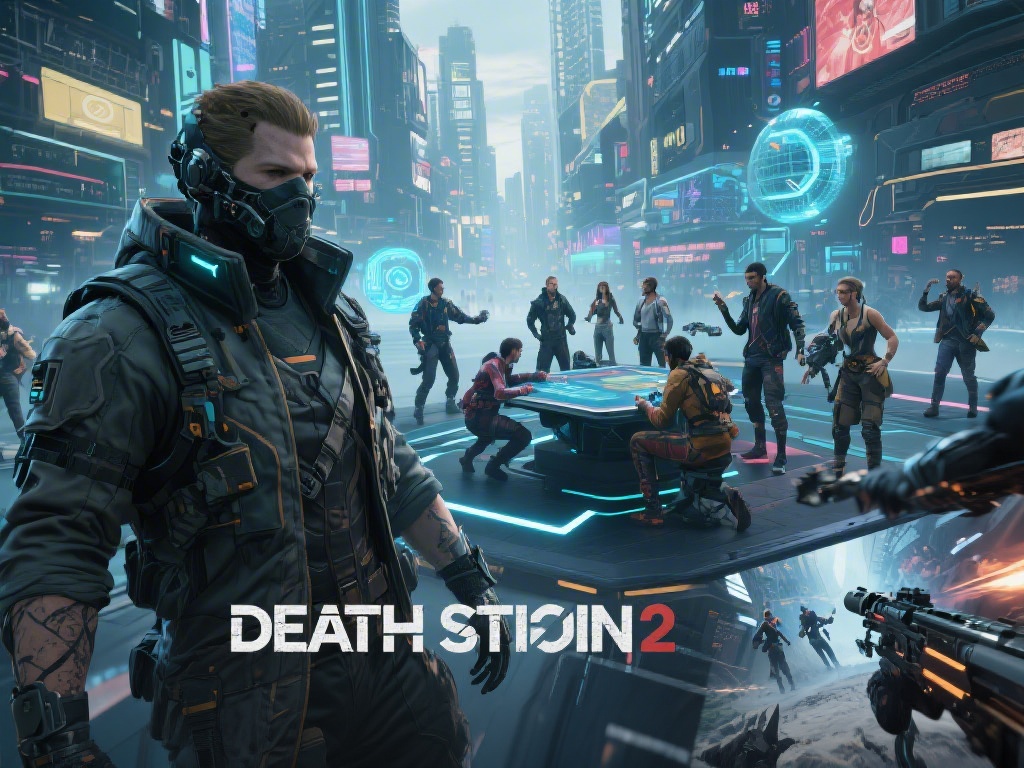
If you’ve scrolled through gaming social media in the last few months, you’ve probably seen the official Death Stranding 2 cover popping up in fan discussions, theory threads, and breakdown posts. Kojima Productions never wastes a single pixel on their promotional art, and this cover is no exception—every character pose, background detail, and even the texture of the package in the foreground has a deliberate, lore-backed meaning. I’ve spent hours picking apart every frame of the cover, cross-referencing details with the first game’s lore and official Kojima interviews, and I’m breaking down all the most important findings in this post. You don’t have to be a diehard Death Stranding superfan to follow along, either—we’re covering both obvious nods and deep cuts that even long-time players might have missed.
Key Visual Elements of the Official Death Stranding 2 Cover
To start, let’s walk through the core elements that make up the cover, so we’re all on the same page about what we’re analyzing. The art centers on a wide, open landscape that looks very different from the dusty, rocky American wasteland we explored in the first game. Two characters take up most of the foreground, with smaller figures and environmental details filling out the rest of the frame.
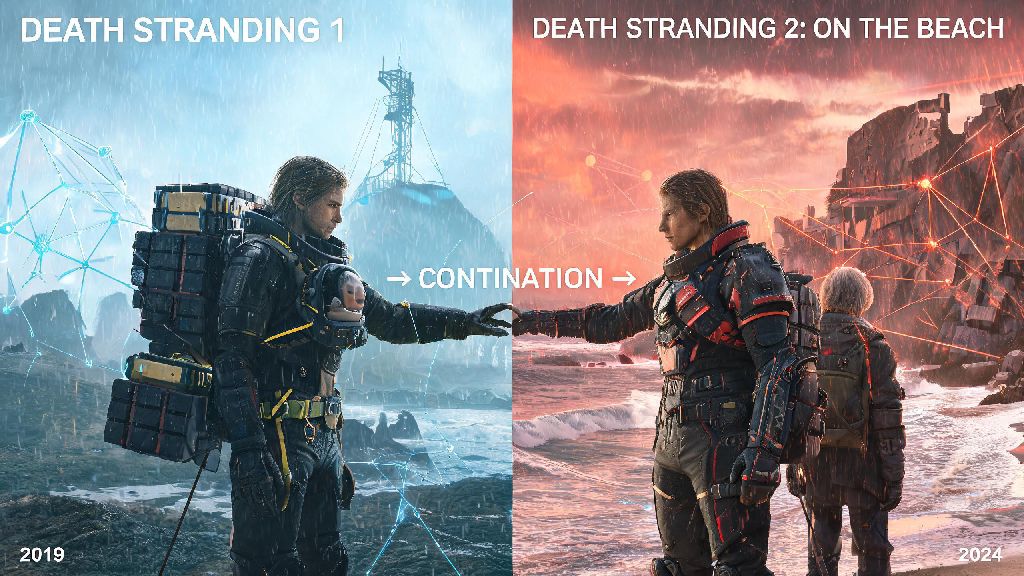
The first thing that jumps out to most viewers is the central placement of Fragile, rather than Sam Porter Bridges, who was the sole focus of the first game’s cover. She’s standing slightly ahead of Sam, facing forward with a determined expression, and her signature rain-damaged suit has been updated with new armor and tech. Sam stands to her left, holding a redesigned BB pod against his chest, his Bridges suit patched and scuffed from years of travel.
- A redesigned BB pod with a transparent outer shell that shows the infant has a small scar on its left wrist, matching a minor detail we saw on Sam’s daughter in the first game’s post-credits scene
- Fragile’s suit has a new, unrecognizable logo printed on the shoulder, hinting at a new organization she’s founded or aligned with since the events of the first game
- The small, floating BT-like creatures near the top of the cover have soft, feathered wings, unlike the aggressive, inorganic BTs players fought in the first Death Stranding
The background features a mix of familiar BT territory and entirely new biomes, including vibrant, glowing coral formations that have never appeared in the Death Stranding universe before. You can also see faint chiral network lines glowing in the sky, crisscrossing over the horizon and connecting distant points on the map. Kojima has explicitly stated that no detail on the cover is random, so even the tiny, half-obscured stickers on Sam’s cargo case are clues we can expect to pay off in the full game.
Hidden Plot Clues Hiding in Plain Sight
Now we get into the fun stuff: what all those details actually mean for the game’s story. Fragile’s central placement is the biggest clue by far, because it signals she’s no longer just a supporting side character. We already know from trailer snippets that she has a much larger role this time around, but putting her front and center on the cover confirms she’s either a co-protagonist or the main playable character for large parts of the game.
For example, the small scar on the BB’s wrist is not a random design choice—if you go back to the first game’s post-credits scene, you’ll see Sam’s infant daughter Louise has the exact same mark in the same spot. That means the BB we’re traveling with in the sequel is almost certainly Louise, which adds a huge personal stake to Sam’s journey this time around. He’s not just transporting a random stranger’s child for a third-party organization; he’s protecting his own kid as he travels across the post-apocalyptic world.
These softer, less threatening BTs suggest that the line between the world of the living and the Beach is blurring even further, and that not all entities from the other side are hostile. I’ve seen a lot of fans assume the winged creatures are a new type of enemy, but their gentle design and the fact that they’re floating peacefully above the landscape hints that they might be allies, or at least neutral entities we can interact with instead of fight. The glowing coral formations also tie into this theme—they look like they’re growing out of former BT zones, which suggests the world is evolving in strange, unexpected ways after the events of the first game.
Fan Theories About the Cover That Actually Hold Up
There are hundreds of fan theories floating around about the cover, but most of them fall apart when you cross-reference them with official statements. There are a few, though, that have real merit, and line up with both the cover details and comments Kojima has made in recent interviews.
The first credible theory is that the game will have two playable protagonists, with players switching between Sam and Fragile for different parts of the story. That lines up with the cover giving both characters equal visual weight, and Kojima has hinted that the sequel will let players experience the story from multiple perspectives, not just Sam’s. We already saw Fragile have unique traversal powers in the first game, so it makes sense that her playstyle would be very different from Sam’s slower, cargo-focused movement.
One of the most credible theories I’ve seen is that the game’s setting will span multiple continents, rather than just the former United States, which lines up with the coastal, tropical look of the cover’s background. The first game was entirely set across the continental US, but Kojima has talked repeatedly about wanting to explore how different parts of the world adapted to the Death Stranding event. You can even see a large cargo ship half-buried in the sand in the far background of the cover, which hints that ocean travel will be a core part of the gameplay this time around, letting players cross between continents as they complete deliveries.
There’s also a popular theory that Fragile’s new logo means she’s split off from Bridges to run her own delivery company, which would explain why she’s the central figure on the cover instead of Sam, who still wears his tattered Bridges uniform. That makes sense, too—we saw her have tense disagreements with Bridges leadership in the first game, so it wouldn’t be surprising if she left to build her own network focused on helping people instead of political control.
What the Cover Tells Us About Upcoming Gameplay Changes
The cover isn’t just full of plot clues—it also hints at a lot of changes to how the game will play, even if those hints are easy to miss on a first glance. Let’s start with the BB pod: the new design has a handle on the side, and looks far more portable than the fixed pod Sam wore on his suit in the first game. That suggests we’ll be able to remove the pod and carry it with us in certain situations, maybe even hand it off to other characters during co-op play.
Fragile’s prosthetic arm is another big gameplay hint. We saw her use her chiral powers to teleport short distances in the first game, but the new prosthetic has built-in tool slots and what looks like a chiralium launcher on the wrist. That means she’ll likely have unique traversal and combat abilities that Sam doesn’t have, including the ability to teleport through BT zones without using up chiralium supplies.
If you look closely at Sam’s backpack, you’ll see he’s carrying a new type of weapon that looks like a cross between a non-lethal bola gun and a coral cutter, which hints at new ways to interact with BTs and the new biome elements we see on the cover. The first game only let you avoid BTs or fight them with limited non-lethal weapons, so it looks like the sequel will give you more options for dealing with both hostile and neutral entities from the Beach.
Don’t expect the core gameplay loop of delivering cargo and connecting settlements to go away, though. The cover still shows both characters carrying large cargo loads, and Kojima has repeatedly said that connection is still the central theme of the series. We’ll just be delivering across a much larger, more varied world, with more tools and more characters to work with along the way.
At the end of the day, the Death Stranding 2 cover is a masterclass in intentional promotional art, giving fans just enough clues to get excited without spoiling any of the game’s biggest surprises. We’re still a few months out from the game’s launch, but every new detail we get, from the cover art to the short trailer snippets Kojima posts on social media, makes it clear the sequel is going to build on everything that made the first game special while adding tons of new lore, gameplay, and characters to love. If you’re planning to play the game when it launches, going back to rewatch the first game’s cutscenes and brush up on the core lore will help you catch even more small references when you finally get to dive into the full experience.