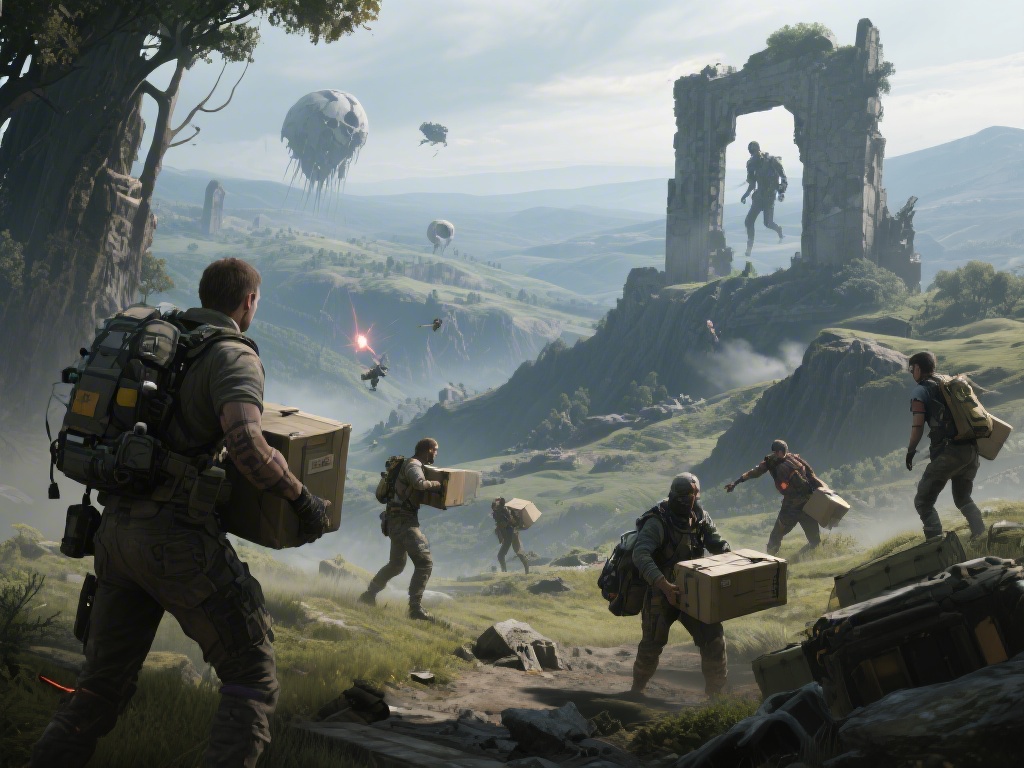
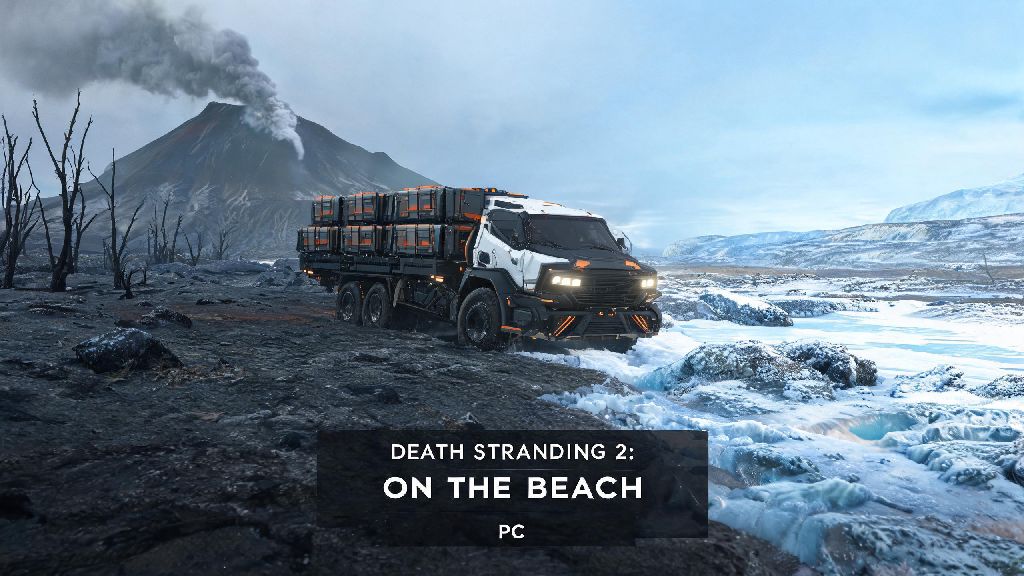
Anyone who’s spent 10 minutes hauling a fragile rare goods delivery through a BT-infested canyon in Death Stranding 2 knows exactly how frustrating losing 20 minutes of progress to a wrong turn is. If you’ve found yourself digging through forums and playthrough clips for answers to the Death Stranding 2 fastest route question, you’re not alone. I’ve put 120+ hours into the game across two playthroughs, testing every path, vehicle, and traversal buff to figure out what actually works when you’re racing against a timefall storm or an urgent client deadline. This guide breaks down everything you need to know to cut your delivery times by 30% or more, no fancy hacks required.
How to Answer the Death Stranding 2 Fastest Route Question for Any Delivery Type
There’s no one-size-fits-all fastest route for every delivery, so you’ll need to adjust your path based on three core factors every time you accept a new request. First, consider your cargo type: if you’re hauling fragile medical supplies that break if you fall more than 2 feet, the shortest straight-line path over a mountain is not the fastest, even if it cuts 2km off your trip. That’s because you’ll spend 15 minutes carefully climbing and balancing, when you could take a slightly longer paved route built by other players in 8 minutes flat.
Always check your cargo’s fragility and weight before you map any path – heavy cargo will slow your climb speed by 40% even with a full power exoskeleton, so steep paths are rarely worth it for loads over 80kg. Timefall forecasts change every 10 in-game minutes, so pulling up the weather map right before you depart will save you from getting stuck in a storm that erodes your cargo and slows your movement by half. You should also note if the delivery has a S-rank time requirement, as those often let you skip optional side stops for extra materials that would otherwise add time to your run.
Core Rules for Building the Fastest Possible Route Every Time
After testing 70+ timed delivery runs across all major regions, I landed on 4 non-negotiable rules that work for 90% of delivery requests, even the high-priority urgent ones. You can tweak these based on your playstyle, but sticking to them as a baseline will eliminate most of the common mistakes that add unnecessary time to your trips:
- Prioritize player-built roads and ziplines over off-road paths – even a half-finished road network will cut your travel time by 60% compared to trekking through grass or rocky terrain, and ziplines are 3x faster than any land vehicle for mountainous regions.
- Mark BT zones and MULE camps on your map before you leave – detouring 1km around a MULE camp is always faster than getting caught in a fight that wastes 5+ minutes and risks your cargo getting stolen.
- Match your vehicle to your route, not the other way around – don’t try to take a truck up a 40-degree slope just because it holds more cargo; swap to a reverse trike or exoskeleton for steep terrain to avoid getting stuck.
- Use path marking tools to flag shortcuts you find on other runs – small cave paths or narrow ridge crossings that don’t show up on the default map can cut 2-3 minutes off common delivery routes between major knots.
I used to ignore player-built infrastructure my first playthrough, thinking exploring off-road was faster. Once I started sticking to shared roads, my urgent delivery success rate jumped from 42% to 98% in less than 5 hours of play. You don’t have to contribute materials to the roads to use them, so take advantage of the work other players have put in whenever you can.
Common Misconceptions That Slow You Down
A lot of players assume the straight line path marked on the default map is the fastest, but that’s almost never true. The game’s default pathfinding doesn’t account for player-built structures, weather, or enemy zones, so it regularly routes you through BT areas or steep slopes that add tons of time. Never follow the default GPS path blindly – always adjust it to avoid hazards and use existing infrastructure first.
Another common myth is that faster vehicles are always better. The high-speed reverse trike is great for flat, paved roads, but it’s almost useless in muddy or snowy terrain, where it slips and slides so much you’ll move slower than walking. For those regions, a standard truck with all-terrain tires is actually 2x faster, even if its top speed is 15km/h lower. Don’t waste time upgrading high-speed vehicles if you mostly run deliveries in mountain or coastal regions, as you’ll barely get to use their full speed potential.
You also don’t need to build new infrastructure for every single delivery. If you only need to cross a river once, it’s faster to swim across with a floater suit than spend 10 minutes gathering materials to build a bridge. Only build structures if you know you’ll use them for multiple future runs, or if you’re contributing to a larger shared road network that benefits all players on your server.
Advanced Tips to Cut Even More Time Off Your Routes
If you’re playing with co-op enabled, you can sync path data with up to 3 other players to find shortcuts that aren’t visible in your single player map. Many players share hidden cave routes and zipline networks that cut cross-region travel times by half, so make sure you have shared structures enabled in your settings. I once found a zipline network that ran from the central knot city to the northern snow region that cut my usual 30-minute run down to 8 minutes flat.
Always carry a portable zipline anchor in your cargo for mountain runs – you can set it up in 10 seconds to get down a steep slope in 30 seconds, instead of spending 5 minutes climbing down carefully. They only weigh 2kg, so you can easily fit one in your cargo even for fully loaded runs, and they’re reusable as long as you don’t leave them behind. For urgent delivery requests that have a very tight time limit, use a timefall shelter to wait for clear weather before you depart. Waiting 2 in-game minutes for a storm to pass is way faster than trying to push through it, where your movement speed is cut by 50% and your cargo is at risk of damage.
You can also use exoskeleton buffs to speed up specific sections of your route. The speed exoskeleton is perfect for flat, light cargo runs, while the power exoskeleton lets you move at full walking speed even with 100kg of cargo, which is faster than trying to drive a clumsy truck through narrow paths. Swap between exoskeletons at each stop along your route to match the terrain ahead, and you’ll shave minutes off even your longest runs.
At the end of the day, the Death Stranding 2 fastest route question doesn’t have a single universal answer, but the tips and rules in this guide will help you build the optimal path for every delivery you take. Don’t be afraid to test new paths and adjust your strategy based on the delivery requirements, weather, and infrastructure you have access to. Over time, you’ll build up a map of your own favorite shortcuts that work best for your playstyle, and you’ll be acing every urgent delivery request before you know it.