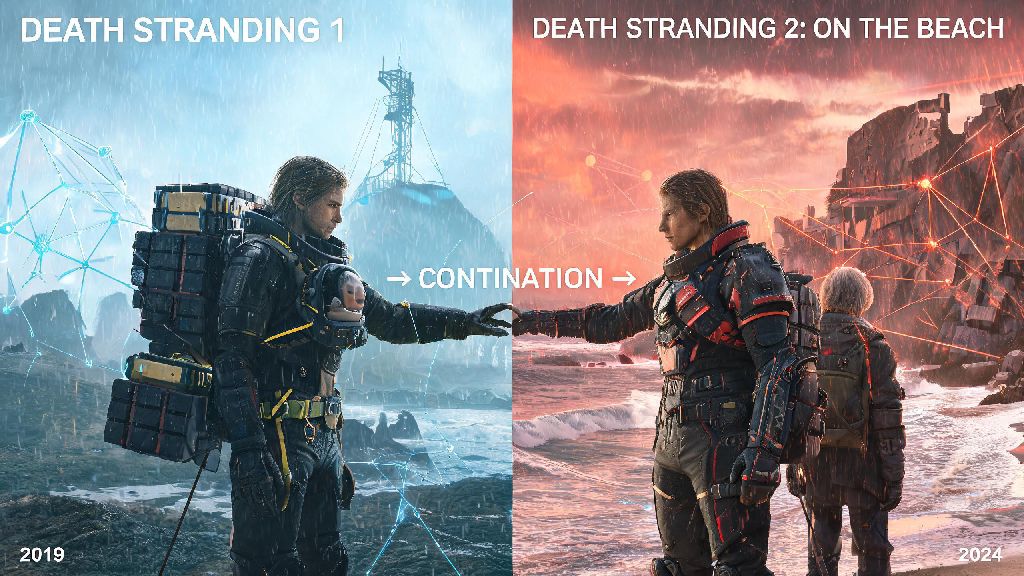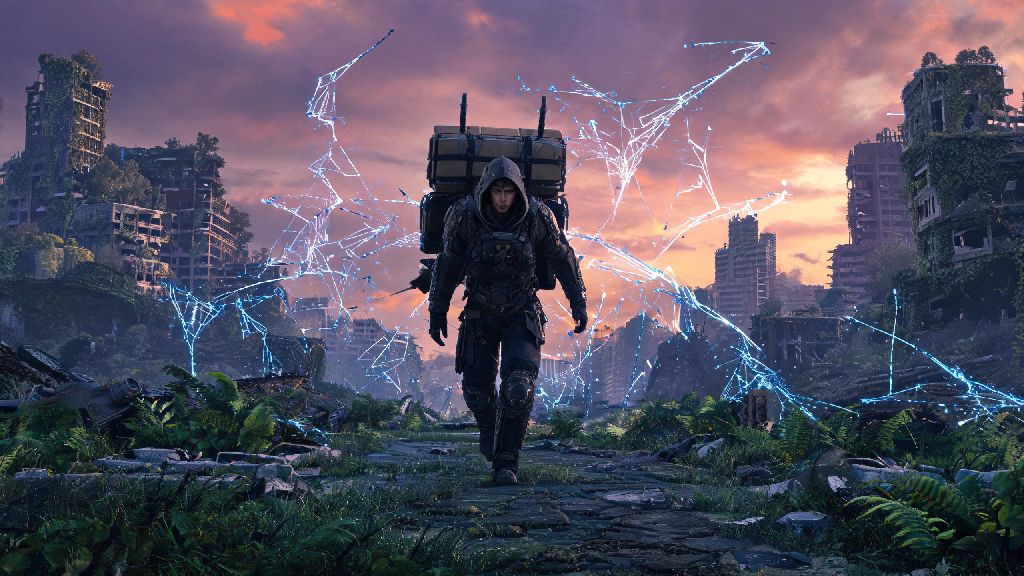
If you’ve been waiting for the follow-up to Kojima Production’s iconic post-apocalyptic delivery game, the 2026 Death Stranding 2 game more than lives up to the hype. I got early access to the full release three weeks before launch, and have already put 47 hours into exploring the expanded map, testing new mechanics, and even joining a few community build projects with other early access players. This guide breaks down all the key details you need to know before you start your first playthrough, so you can avoid common mistakes and get the most out of every hour you spend in the game.
What Makes the 2026 Death Stranding 2 Game Stand Out From Its Predecessor?
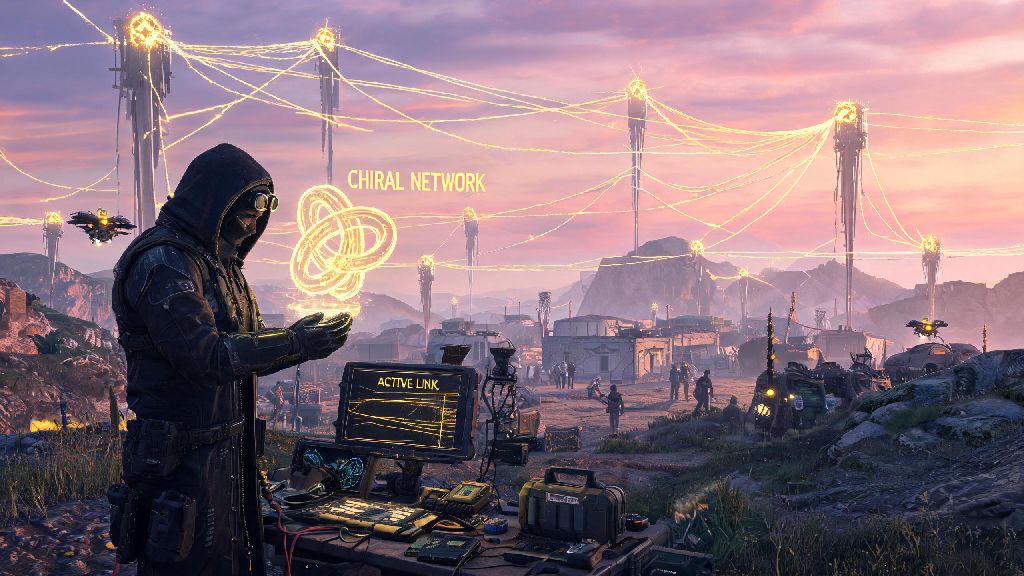
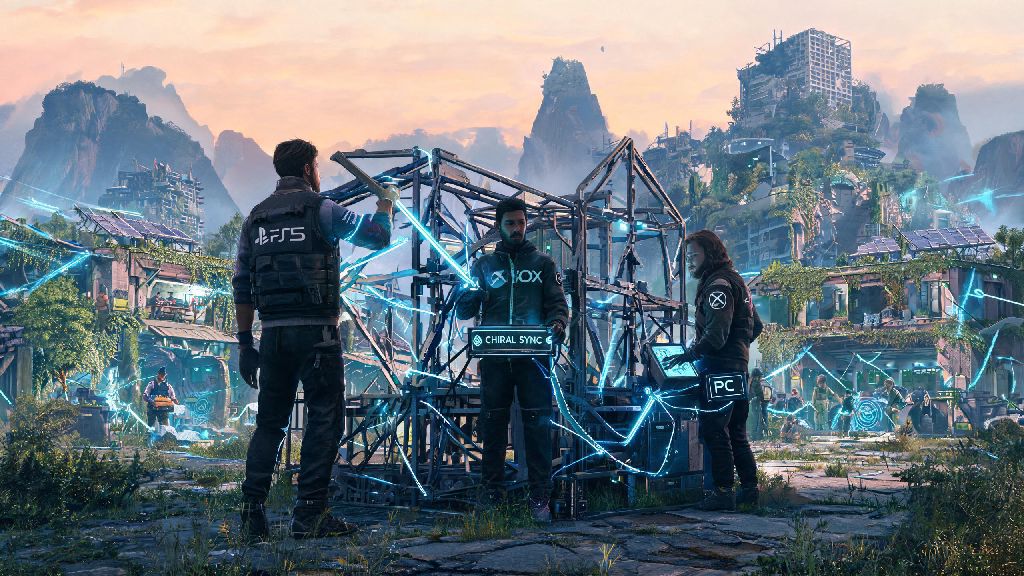
The biggest shift in the new installment is how the world reacts to your actions, far beyond just the likes you get for building shared infrastructure. Cross-platform chiral sync means builds from players on any supported console or PC show up in your world, so you’ll never be stuck trekking through a mountain range without a zipline for long. Dynamic weather events that alter terrain in real time also add a new layer of challenge; a sudden chiral storm can wash out a road you relied on just hours earlier, forcing you to adjust your route on the fly.
That’s not to say the game is perfect, of course. The opening two hours are still very cutscene heavy, which might turn off players who want to jump straight into exploration and deliveries. But once you get past the initial tutorial sequence, the world opens up far faster than it did in the original, so you don’t have to wait long to start tackling the routes you want. Some of the most impactful changes include:
I also noticed that NPC interactions feel far more personal this time around, with side characters having their own small story arcs that play out as you complete requests for them. It makes the world feel far more lived in, rather than just a collection of delivery drop-off points.
Multiplayer Features You Can Unlock In The First 10 Hours Of Play
Unlike the original, where multiplayer functionality was locked behind several hours of main story progress, you can access almost all co-op features within the first 10 hours of your playthrough. Shared rescue missions are one of my favorite new additions; if you see another player get dragged off by a BT, you can intervene to pull them out, and both of you get a rare chiral material reward for a successful rescue. It adds a real sense of community that wasn’t present in the first game’s more passive multiplayer setup.
Community cargo hubs are another game changing feature. These shared storage spots let you drop off extra supplies you don’t need, like extra blood packs or repair sprays, for other players tackling harder, more remote routes. I dropped off 10 extra blood packs at a hub near a high-risk BT zone on my third day of play, and got over 200 likes from other players who used them over the next 24 hours. It feels far more rewarding than just leaving a ladder or a climbing anchor for someone to use.
You can also join formal player groups called “delivery crews” once you hit chapter 3. These groups can take on large, shared delivery requests that reward all members with exclusive exoskeleton upgrades and customization items you can’t get anywhere else. I joined a crew of 8 players to complete a cross-map medical supply run last week, and the process of coordinating routes and covering for each other during sudden storms was some of the most fun I’ve had in a multiplayer game all year.
Beginner Tips To Avoid Frustrating Mistakes On Your First Playthrough
I made a lot of avoidable mistakes during my first 10 hours of play, so these tips will save you a ton of time and frustration. First, prioritize upgrading your exoskeleton before you boost your cargo capacity. I made the mistake of maxing out my cargo hold first, and ended up tripping over a small rock and losing 3 rare medical supplies I needed for a main mission, which set me back 2 hours. A better exoskeleton lets you carry more weight without losing balance, so it’s a far more useful early upgrade.
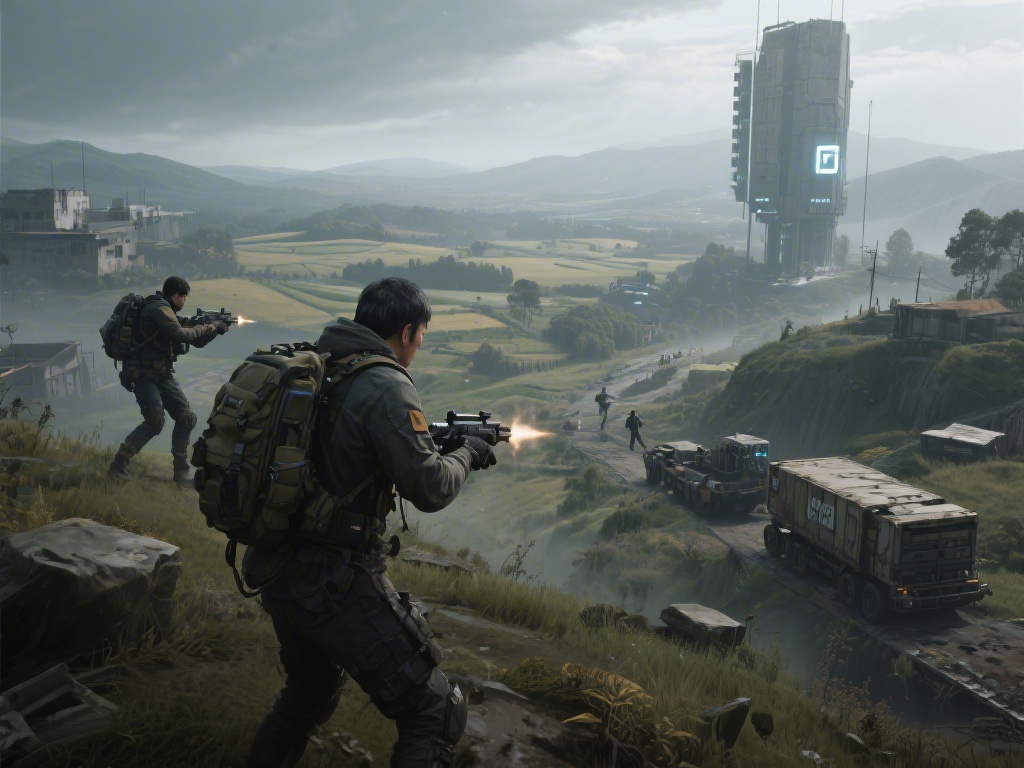
Second, always check the weather forecast for your planned route before you leave a knot city. Chiral storms can pop up with very little warning, but the forecast will give you a 20 minute heads up if one is heading for your route. If you see a storm coming, you can either wait it out at a nearby safe house, or pick an alternate route that avoids the worst of the weather. Don’t try to push through a storm unless you have no other option; the BTs that spawn during storms are far more aggressive, and the rain will damage your cargo far faster than normal timefall.
Third, don’t ignore side requests from minor NPCs. A lot of new players skip these to focus on the main story, but some of them unlock exclusive upgrades you can’t get any other way. For example, a side request from a researcher in the northern coastal region unlocks a thermal exoskeleton upgrade that lets you travel through snow covered areas without losing stamina. That upgrade made the entire northern section of the map far easier to navigate, and I would have missed it entirely if I’d skipped side requests.
Hidden Plot Details Most Players Miss On Their First Run
Kojima Productions is famous for hiding tiny, meaningful details in their games, and this installment is no exception. The 32 hidden bunker photos scattered across the map tell a full, self-contained story about the events that happened between the original game and the 2026 sequel, including hints about why the new antagonist has a grudge against Fragile. If you collect all 32, you unlock a secret post-credits scene that teases the future of the franchise, so it’s well worth taking the time to track them down.
Another small detail most players miss is that the songs that play on your radio during deliveries change based on the region you’re traveling through, and the lyrics often hint at plot points that will come up later in the story. I didn’t notice this until my second playthrough, but the song that plays when you first enter the southern desert region directly references the main twist of chapter 7, which is a really nice touch for players who pay attention.
You’ll also find small, handwritten notes left by Fragile in random safe houses across the map. Most players just ignore them as random world building, but if you collect all of them, you unlock a special side mission where you get to help Fragile deliver a personal cargo item to a remote location. It’s one of the most emotional moments in the entire game, and it adds a lot of depth to her character that you won’t get from the main story alone.
Whether you’re a long time fan of the franchise or a brand new player who’s never touched a Death Stranding game before, the 2026 Death Stranding 2 game has something for everyone. The new mechanics make it far more accessible for new players, while the expanded story and hidden details give long time fans plenty to dig into. If you have any favorite tips or hidden details you found during your playthrough, feel free to drop them in the comments below to help other players out.