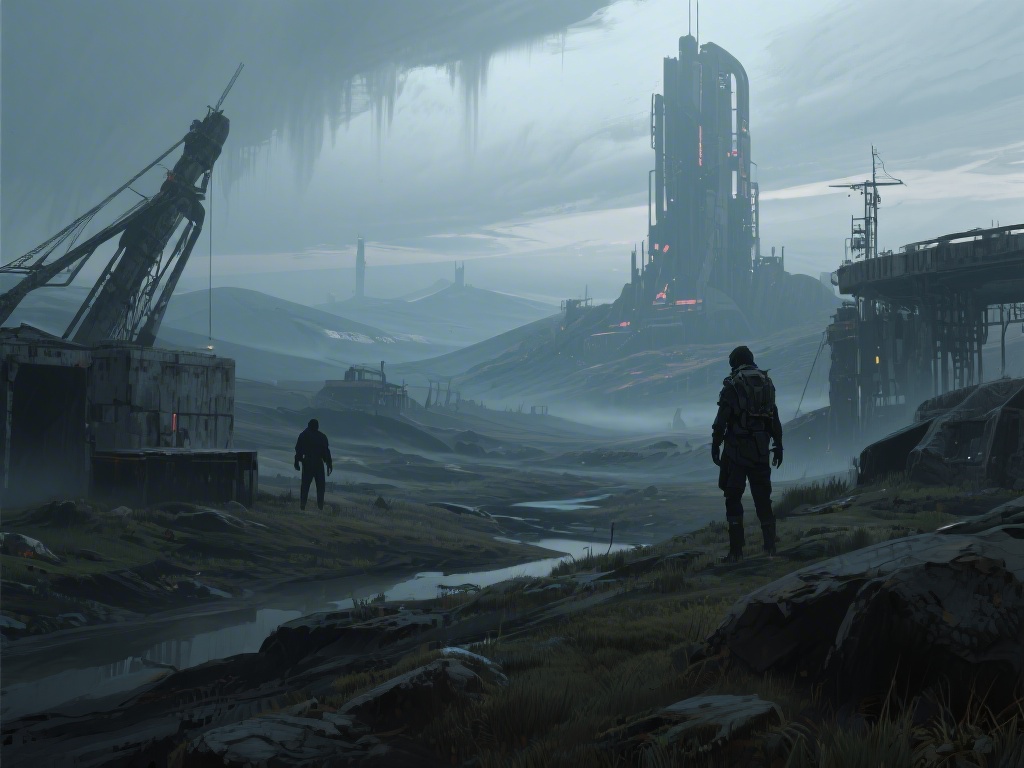
If you’ve followed gaming news over the past year, you’ve almost certainly seen the nonstop chatter around Death Stranding 2 game of the year predictions popping up on every forum and social media feed. I’ve put 72 hours into the game so far, completing the main campaign and half the endgame content, and I can see exactly why it’s sparked so much debate among critics and casual players alike. Kojima Productions didn’t just make a sequel to the 2019 cult classic; they reworked every rough edge of the original while adding layers of depth that few modern games even attempt to pull off. I’m not here to say it’s a perfect game, but it’s definitely one of the most unique and memorable releases we’ve gotten in a long time.
What Makes Death Stranding 2 Game of the Year Material in a Crowded Field?
We’ve had an incredibly strong year for gaming, with massive franchise releases and surprise indie hits dropping every month. Even with that stiff competition, Death Stranding 2 stands out because it doesn’t just check the same boxes every other open-world game does. It delivers an experience you can’t get from any other franchise on the market right now, blending slow, meditative traversal with high-stakes emotional stakes that stick with you long after you turn off your console. A lot of games promise a “unique” experience, but this one actually delivers on that promise, even if it’s not for every type of player.
- Narrative depth that treats players like mature, thoughtful audiences
- Gameplay mechanics that reward patience and planning rather than fast reflexes
- Multiplayer systems that encourage cooperation instead of constant PvP conflict
- Visual and audio design that sets a new bar for immersive worldbuilding
Each of these areas works together to create a cohesive experience that feels far more intentional than most big-budget releases. A lot of AAA games these days throw in every popular mechanic they can think of to appeal to as wide an audience as possible, but that often leads to games that feel disjointed and unfocused. Death Stranding 2 doesn’t do that. Every mechanic, every story beat, every design choice ties back to the core theme of connection, which makes the entire experience feel far more impactful. I’ve played a lot of games this year that I had fun with, but very few that made me stop and think about the way I interact with people in the real world, which is exactly what makes a title stand out during awards season.
Layered, nuanced storytelling that avoids generic video game tropes
The first Death Stranding split audiences because its story was often weird, confusing, and overly cryptic for casual players. The sequel fixes that without dumbing down Kojima’s signature style, giving you just enough context to follow the core plot while still leaving plenty of small details and Easter eggs for long-time fans to unpack. The story touches on heavy, relevant themes like grief, connection, and climate collapse without ever feeling preachy or forced, which is a hard line for most games to walk. I found myself caring far more about Sam’s journey this time around, especially as the game explores the long-term consequences of his choices from the first title. You don’t have to play the first game to follow the plot, but you’ll get a lot more out of it if you do.
The cast also does an incredible job bringing the characters to life, with performances that feel far more natural than the often over-the-top line deliveries in the first game. Norman Reedus brings a quiet vulnerability to Sam that makes his moments of self-doubt feel real, and the supporting cast, including Léa Seydoux and Elle Fanning, add layers of depth to their roles that make even side characters feel like real people. The game also handles its more surreal moments far better than the original, with weird, Kojima-style cutscenes that serve a purpose in the plot instead of just being there for shock value. I went into the game expecting the story to be the weakest part for me, but it ended up being the thing that kept me coming back night after night to see what happened next.
Refined gameplay mechanics that fix the original’s biggest flaws
One of the most common complaints about the first Death Stranding was that the traversal felt tedious for players who didn’t buy into the core premise. The sequel keeps the meditative slow pace that fans loved, but adds quality of life improvements that make even long deliveries feel satisfying instead of frustrating. New tools like upgraded exoskeletons, dynamic weather systems that change how you plan routes, and customizable vehicles make every trip feel unique, even if you’re traveling the same stretch of terrain for the third time. I used to dread crossing the mountainous regions in the first game, but now I look forward to figuring out the most efficient route, especially when I can use structures left by other players to make the trip easier. The combat is also vastly improved, with more options for both stealth and direct confrontation if you don’t feel like running from BTs.
The crafting system is also far more flexible this time around, so you can customize your loadout to fit your playstyle. If you hate dealing with BTs, you can craft more stealth items and avoid combat entirely. If you like taking on enemies head-on, you can upgrade your weapons and build out a combat-focused loadout that lets you fight through even the most heavily infested areas. The game never forces you to play a certain way, which is a big improvement over the original, which often pushed you into combat encounters you weren’t prepared for. I also love that the world changes as you progress, with roads you build and structures you place staying permanently in your game world, so you can see the tangible impact of your work as you play. After 50 hours, my version of the map was completely different from my friend’s, because we’d focused on building different structures in different parts of the world.
Innovative multiplayer features that build real, meaningful connection
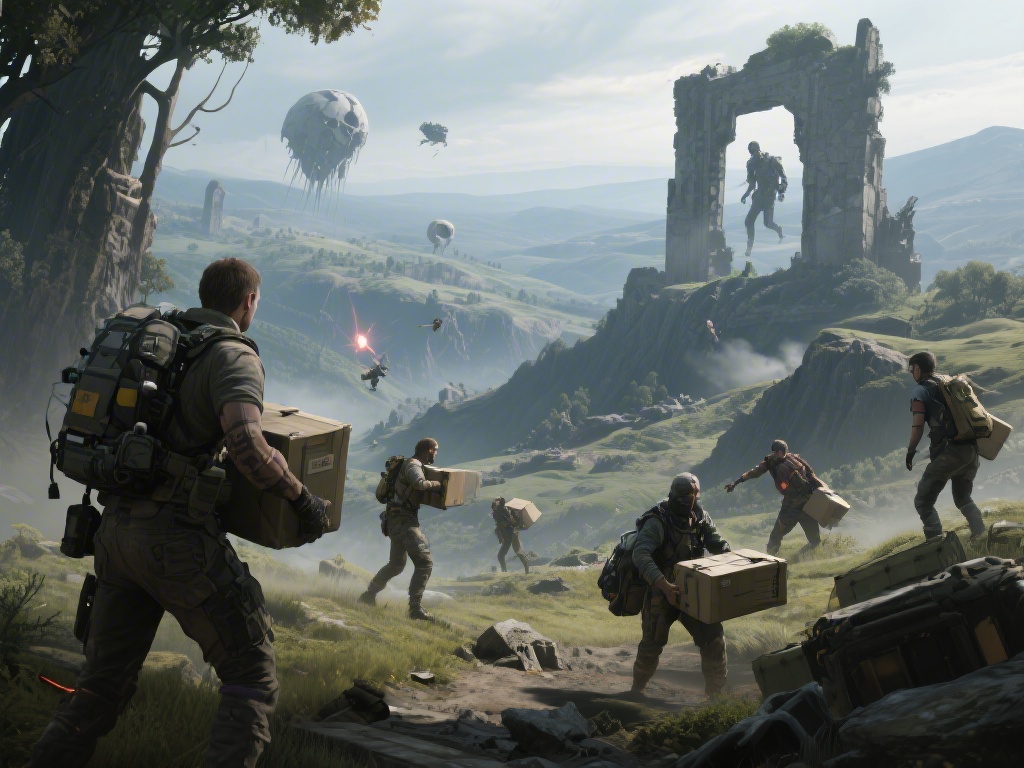
The asynchronous multiplayer from the first game returns, but it’s expanded in ways that make the world feel far more lived-in and connected. You can still leave ladders, bridges, and supply drops for other players, but now you can also team up for limited-time co-op deliveries that reward you with rare crafting materials and exclusive cosmetic items. There’s no forced PvP, no leaderboards that push you to compete with other players, just a system that rewards you for helping people you’ll probably never even meet. I’ve had multiple moments where I was stuck halfway up a mountain with a broken bike and no supplies, only to find a fully stocked rest stop left by another player that saved my entire delivery run. That sense of shared struggle and mutual support is something no other open-world game has managed to pull off this well, and it’s a big part of why the game has built such a dedicated fanbase so quickly.
The game also adds new social features that let you leave custom notes for other players, which can be anything from a warning about a nearby BT nest to a silly joke to make someone smile. I’ve left dozens of notes myself, and I’ve gotten hundreds of likes from other players who found my notes or structures helpful. It’s a small feature, but it makes the world feel far less lonely, even when you’re playing completely solo. A lot of games talk about “building community” but few actually design systems that encourage genuine kindness and cooperation the way Death Stranding 2 does. That focus on connection feels especially relevant right now, when so many multiplayer games are designed around making players angry or competitive with each other.
At the end of the day, awards are always subjective, and there are plenty of other great games that deserve recognition this year. Even if it doesn’t take home every trophy it’s nominated for, Death Stranding 2 game of the year conversations are well earned, because it’s a game that dares to be different in an industry that often plays it safe. If you’re someone who likes slow, thoughtful games that prioritize story and atmosphere over nonstop action, it’s absolutely worth picking up. Even if you didn’t like the first Death Stranding, it’s worth giving the sequel a try, because the quality of life improvements make it far more accessible for new players. It might not be for everyone, but for the players it clicks with, it’s going to be a game they remember for years to come.