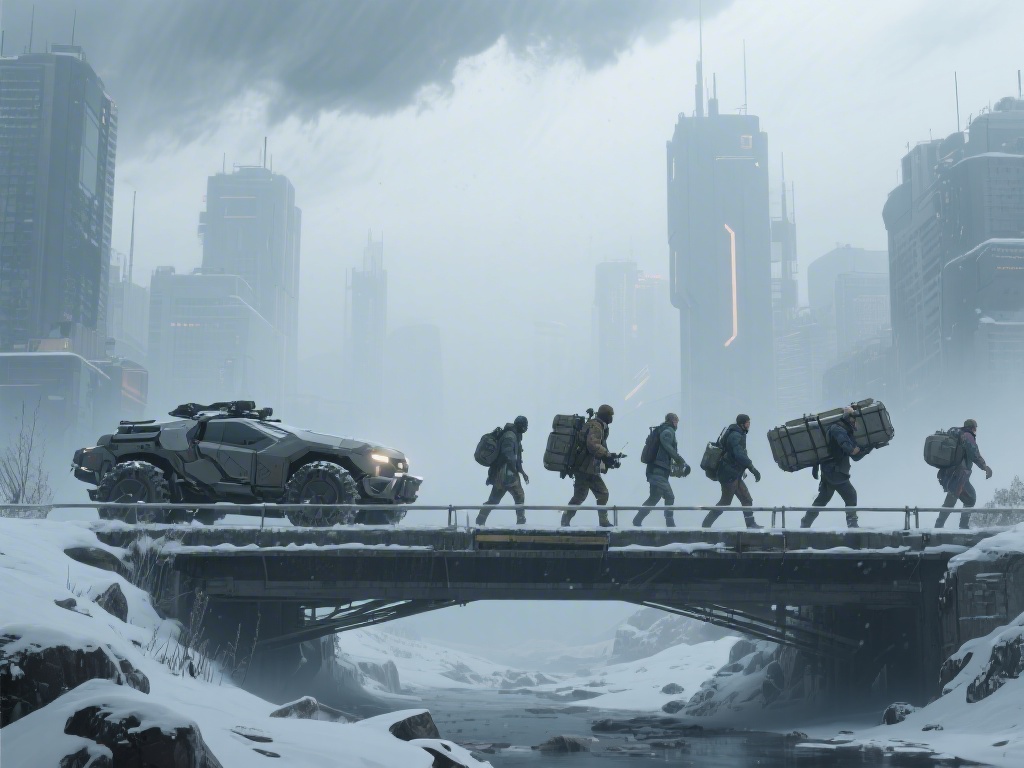
If you’ve been following every tiny tease for Hideo Kojima’s upcoming sequel, you’ve probably spotted the repeated hints about Death Stranding 2 moon elements playing a far bigger role than they did in the first game. The original Death Stranding only touched on lunar cycles as a minor environmental factor, but everything we’ve seen from trailers and official updates points to the moon being a core pillar of both the story and how you’ll play the next entry. I’ve spent months digging through every frame of released footage, cross-referencing Kojima’s cryptic social media posts, and connecting dots to the first game’s lore to break down exactly what the moon means for the sequel. You don’t have to sift through hours of content to get the key details, because I’ve compiled all the confirmed and heavily rumored info right here.
Core Death Stranding 2 Moon Lore Implications for the Story
In the first Death Stranding, lunar cycles only affected BT activity levels during certain nights, but the fractured moon we see in every DS2 trailer isn’t just set dressing. Kojima has confirmed in multiple offhand comments that the Death Stranding event permanently altered the moon’s gravitational pull, and that shift is directly responsible for many of the new environmental threats you’ll face in the sequel.
For context, the first game’s chiral network already tied Earth’s reality to the Beach, a liminal space between life and death. The fractured moon acts as a sort of amplifier for chiral energy across the entire planet, meaning BTs can appear in areas they never could before, and timefall storms are far more unpredictable than they were in the first game. I noticed in the latest 9-minute trailer that timefall rain now falls in short, violent bursts instead of steady showers, and the weather shifts right as the moon peeks out from cloud cover, which lines up with that detail.
This also ties to the return of Fragile and Higgs, two characters with deep connections to chiral energy. There’s a shot in the trailer of Higgs standing on a cliff staring up at the cracked moon, and many fans speculate he’s drawing power directly from it to carry out his new plan. You can expect plenty of cutscenes that dive into how the moon’s changed state ties directly to the core conflict of the sequel, and it’s likely we’ll even get answers to lingering questions from the first game’s post-credits scene.
How the Moon Changes Core Traversal Gameplay
The moon’s altered gravitational pull doesn’t just impact the story—it completely changes how you’ll traverse the open world of DS2. Kojima has already shown short clips of Sam carrying heavy cargo across open plains where he can jump three times higher than he could in the first game, and move faster even when fully loaded. That low-gravity effect only kicks in when the moon is visible in the sky, though, so you’ll have to plan your routes around day and night cycles more carefully than ever.
There are a few key benefits and drawbacks to this low-gravity effect you should keep in mind:
- You can carry 20% more cargo without losing stability when low gravity is active, which is perfect for long delivery runs across flat terrain
- BTs are far more mobile in low-gravity zones, and can close the gap between you and them in seconds if you don’t spot them early
- Vehicle controls are far slipperier in low gravity, so you’re better off traveling on foot during those periods if you’re navigating narrow cliffside paths
I’ve also spotted hints of new gear designed specifically to take advantage of low-gravity periods, including a new glider attachment for Sam’s backpack that lets him glide hundreds of meters without using any chiral network resources. That’ll be a game-changer for crossing large canyons or bodies of water that you can’t walk across, but you’ll only be able to use it when the moon is out.
One important note: the moon’s fractured state means its position in the sky isn’t consistent. You won’t be able to rely on a fixed day/night cycle like you could in the first game, so you’ll want to check your in-game map’s moon tracker before you set off on any long delivery. It’s easy to get stuck in a sudden low-gravity storm if you don’t plan ahead, and that can easily ruin a run where you’re carrying fragile cargo.
Multiplayer Features Tied to the Moon’s Cycles
Death Stranding’s asynchronous multiplayer was one of its most beloved features, and the moon’s cycles add a whole new layer to how you’ll interact with other players in the sequel. For starters, structures other players build will only appear in your world if they were built during the same moon phase you’re currently experiencing. That means you might find a useful bridge or rest stop one run, and it’ll be gone the next time you pass through the same area if the moon phase has shifted.
This might sound frustrating at first, but it actually adds a fun layer of collaboration between players. You can leave markers for other players noting which moon phases have the safest routes through dangerous areas, or leave supply caches that only appear during high-risk low-gravity periods for players who get stuck. Kojima has also teased that cross-server group events will trigger during full moon periods, where thousands of players can work together to repair sections of the chiral network or fend off large BT incursions that impact every player on the server.
That said, you don’t have to participate in those group events if you don’t want to. The game will always give you the option to opt out of multiplayer entirely, so you can play through the entire story without interacting with other players’ structures or events if you prefer a single-player experience. But if you’re a fan of the first game’s collaborative feel, these moon-tied multiplayer features are easily some of the most exciting new additions to the sequel.
What the Moon Teases About Potential Endgame Content
Most of the footage we’ve seen so far is set on Earth, but multiple leaks and Kojima’s own social media hints point to the moon itself being a playable endgame area for players who finish the main story. That’s right, you might actually get to travel to the fractured lunar surface to complete special high-difficulty delivery runs and wrap up side story arcs for characters like Fragile and Higgs.
If the moon is a playable area, you can expect full low-gravity traversal 100% of the time, plus entirely new BT types that only exist outside of Earth’s atmosphere. The endgame moon area will also likely have exclusive crafting recipes and gear you can bring back to your Earth playthrough, including a permanent low-gravity booster for your backpack that works even when the moon isn’t visible. I don’t recommend rushing through the main story to get to the moon content, though, because Kojima has confirmed the main story is around 30% longer than the first game’s, and there are plenty of story beats you won’t want to skip that tie directly to the moon’s origins.
One common rumor I’ve seen floating around that I can debunk right now: you won’t have to pay for DLC to access the moon endgame area. Kojima has stated multiple times that all core endgame content will be included in the base game, so you won’t have to spend extra money to experience that part of the story. There will be optional cosmetic DLC down the line, but none of it will lock you out of any gameplay or story content.
It’s also worth noting that the moon’s endgame story will wrap up the entire Death Stranding arc, according to Kojima. That means we probably won’t get a third mainline Death Stranding game, so you can expect the moon section to tie up every loose end from both the first and second game’s stories.
At the end of the day, it’s clear that Death Stranding 2 moon elements are far more than a simple visual upgrade or minor gameplay tweak. They’re woven into every part of the sequel, from the core story conflict to traversal, multiplayer, and endgame content, and they’ll completely change how you interact with the world Kojima has built. I’m still finding new small hints in every trailer that point to even more moon-related features we haven’t seen yet, so I’ll be updating this post as more official info drops ahead of launch. Whether you’re a casual fan who enjoyed the first game or a diehard who’s put hundreds of hours into building roads and completing premium deliveries, the moon-focused changes to the sequel are sure to make the wait worth it.