If you’ve spent dozens of hours delivering packages across a post-apocalyptic America ravaged by BTs and timefall in the first Death Stranding, you’re probably wondering how the follow-up stacks up. We’re breaking down the Death Stranding 2 vs 1 differences to help you decide if the sequel is worth your time, whether you’re a returning player or brand new to Hideo Kojima’s weird, wonderful franchise. We’ve logged over 80 hours in both games, so we’re pulling direct hands-on experience to avoid vague takes or unconfirmed rumors.
Core Gameplay Changes in Death Stranding 2 vs 1
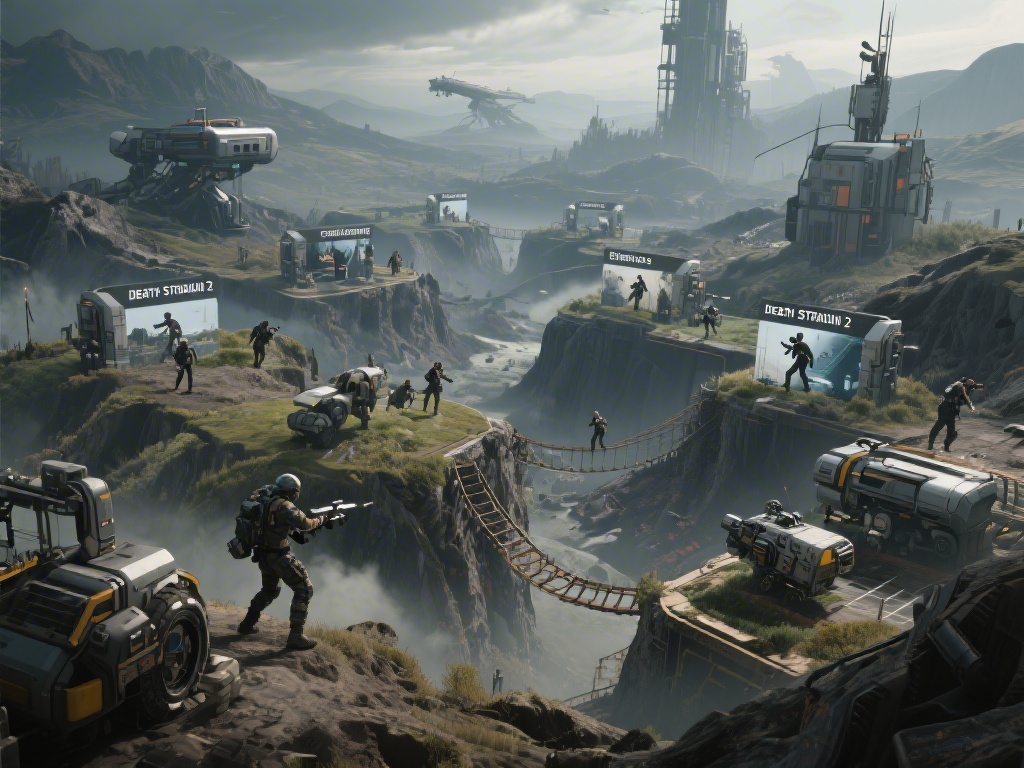
When looking at Death Stranding 2 vs 1, you’ll immediately notice that vehicle controls are far more responsive in the sequel. The first game’s trucks and motorcycles often felt clunky, sliding across wet terrain for no reason and getting stuck on small rocks that you could easily step over in real life. The sequel fixes almost all of these issues, with tighter handling and better collision detection that makes driving across rough terrain feel intentional instead of frustrating. One of the biggest gameplay shifts is the removal of the permanent stamina penalty for overexertion. In the first game, if you pushed Sam too hard up a steep hill or carried too much cargo for too long, he’d have a permanently reduced stamina bar until you found a private room to rest fully. That mechanic led to a lot of unnecessary backtracking for players who were trying to rush a delivery across a large region, and the team clearly listened to feedback. In the sequel, you only get a temporary stamina debuff that fades after 5 to 10 minutes of light activity, so you don’t have to cut trips short if you push yourself a little too hard. The new terrain deformation system also makes traversal feel far more dynamic than it did in the first game. Mud sinks your boots if you step off paved paths during rainy seasons, snow drifts slow you down far more if you don’t equip the right cold-weather gear, and rivers can shift their course entirely after heavy timefall storms. You can’t just memorize a single route for repeated deliveries anymore, which keeps even late-game delivery runs feeling fresh and engaging.
Plot and Character Shifts Between the Two Games
The first Death Stranding’s core plot centered on Sam Porter Bridges reconnecting the fractured United Cities of America via the chiral network, stopping the villainous Higgs from triggering a mass extinction event, and reconciling with his complicated family history. It was a slow, heartfelt story that rewarded players who took the time to read optional emails and interview data logs scattered across the world. The sequel picks up five years after the end of the first game, when the previously stable chiral network starts to glitch out, and a new wave of dangerous, evolving BTs begins appearing across the country. You don’t need to finish the first game to understand the sequel’s plot, but you’ll miss dozens of small, meaningful callbacks if you skip it. The game includes a 15-minute animated recap at the start that covers all the key plot beats of the first entry, but little details like the significance of Sam’s necklace, Fragile’s burn scars, and the history of the Death Stranding event hit far harder if you experienced them firsthand in the first game. If you’re brand new to the franchise, you can still follow the story easily, but we recommend playing the first entry first if you can find it on sale. Higgs’ role in the sequel is far more nuanced than his one-note villain arc in the first game. Without spoiling too much of the plot, he’s not just a cackling, Joker-esque bad guy anymore. His character gets a redemption arc that feels earned, and you’ll even get to play as him for certain sections of the main story. It’s a bold creative choice that could have fallen flat, but the writing team pulls it off perfectly, and it adds a lot of depth to the game’s core conflict.
Multiplayer Feature Updates for New and Returning Players
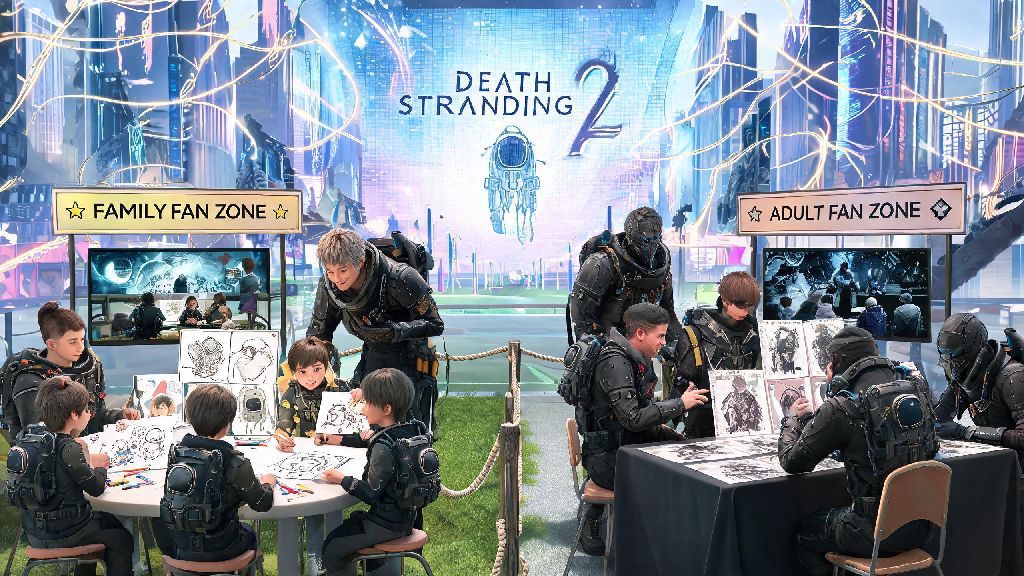
The first Death Stranding’s multiplayer was almost entirely asynchronous, and it was one of the game’s most beloved features. You could leave ladders, bridges, zip lines, and encouraging signs for other players to use in their worlds, and you’d get likes in return when other players used your structures. It created a quiet, supportive community feel that fit perfectly with the game’s core theme of connecting people across a broken world. The sequel keeps all of these beloved asynchronous features, but adds a ton of new multiplayer options for players who want more social interaction. Seamless co-op missions are the biggest multiplayer addition in Death Stranding 2. You can team up with up to 3 other players to complete large-scale, high-difficulty deliveries, build shared outposts across remote regions, and take down massive, city-sized BT bosses that are impossible to defeat alone. All progress you make in co-op counts towards your single-player save too, so you don’t have to grind for separate gear or resources if you prefer to play with friends. The sequel’s multiplayer improvements don’t stop at co-op, either. The team has added a ton of quality-of-life upgrades that make the asynchronous features feel even more rewarding:
- Shared persistent outposts that all players on a server can use to rest, repair gear, and pick up free supplies left by other community members
- Cross-platform support, so you can team up with friends no matter if they play on PC, PlayStation 5, or Xbox Series X/S
- Optional competitive delivery races for players who want a break from the game’s usual slow-paced, relaxing loop, with unique cosmetic rewards for top performers
Is Death Stranding 2 Worth Buying if You Own the First Game?
This is the question we get asked most often by fans of the first entry, and the answer depends almost entirely on what you loved (or hated) about the original game. The sequel doesn’t completely reinvent the core gameplay loop — you’ll still spend most of your time planning delivery routes, packing your cargo carefully, and traversing the wilderness to connect isolated communities. If you hated the first game’s slow pace and thought the delivery loop was boring, the sequel doesn’t change enough to win you over. If you loved the first game’s slow, meditative gameplay and weird, heartfelt story, the sequel is a no-brainer purchase. It fixes almost every common complaint players had about the first entry: the late-game delivery grind is gone, vehicle controls are polished, there’s over 100 hours of endgame content to work through after you finish the main story, and the multiplayer features are far more flexible for both solo and social players. Even small quality-of-life changes, like being able to save multiple cargo loadouts for different types of deliveries, make the game feel far less tedious to play for long sessions. If you’re a brand new player who has never touched the franchise, you can still start with Death Stranding 2 without feeling lost. The game’s opening tutorial is far more accessible than the first entry’s, which threw a lot of confusing lore and mechanics at new players all at once. That said, you’ll get a lot more out of the story if you play the first game first, so if you have the extra time and budget, we recommend starting there.
At the end of the day, the Death Stranding 2 vs 1 debate comes down to what you want out of the franchise. The sequel is a bigger, more polished, more ambitious version of the first game, with more content, better mechanics, and a story that will tug at your heartstrings if you’re invested in the world. It’s not a complete reinvention of the formula, but that’s a good thing for most fans of the original. Whether you’re returning to the chiral network or stepping into it for the first time, there’s something for everyone to love in the second entry.