I’ve replayed the original Death Stranding three times since it launched, and one of my favorite parts of the game is how the harsh, varied landscape forces you to slow down and plan every move. It’s no surprise, then, that one of the most common questions I see popping up in fan Discords and social media threads is where is Death Stranding 2 set. Kojima and his team have been carefully teasing small bits of setting info across trailers and dev interviews over the past two years, and we’ve put together all the confirmed details, plus educated guesses based on verified hints, no random unsubstantiated leaks included. This guide will break down everything we know so far about the game’s setting, and how it will impact both story and gameplay.
Where Is Death Stranding 2 Set: Confirmed Core Regions
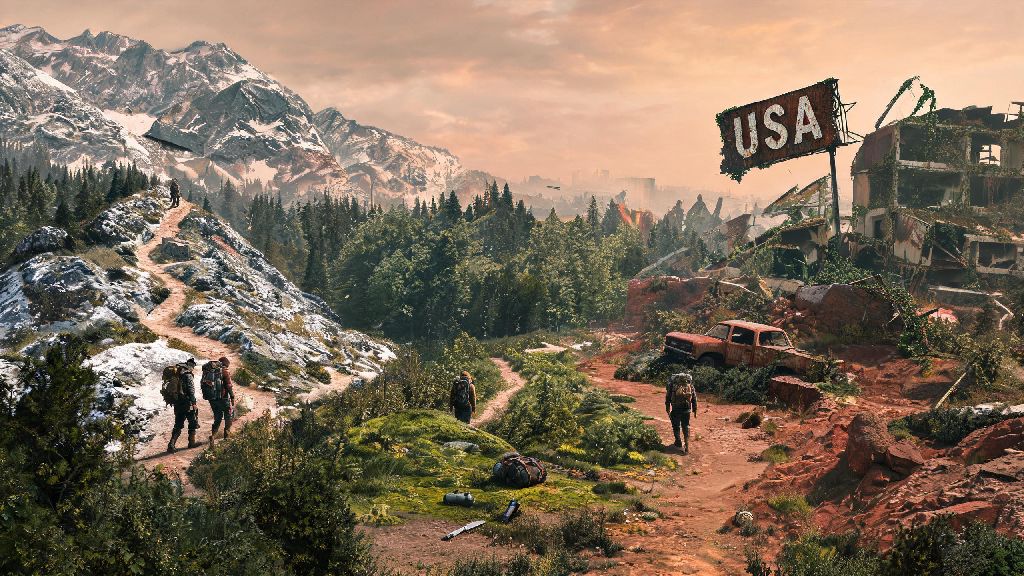
All official footage and dev comments confirm that the majority of Death Stranding 2’s playable map is still centered in the former continental United States, but expands far beyond the zones we explored in the first game. The original Death Stranding focused almost entirely on the northern half of the country, stretching from the east coast to the Pacific Northwest, and skipped over large swathes of the south and border regions entirely. The southern edge of the former United Cities of America (UCA) is the first confirmed new region, with trailer footage showing vast, dust-choked desert canyons that match the landscape of former Arizona, New Mexico, and parts of northern Mexico.
We also got clear footage of flooded coastal Pacific Northwest zones, where post-Death Stranding sea level rise has submerged entire pre-Stranding cities up to their skyscraper rooftops. Kojima mentioned in a recent interview that these flooded zones are some of the most dangerous areas in the game, with new aquatic BT variants that hunt players below the water surface. So far, official teases have confirmed the following location types will be playable:
How the Setting Ties to Death Stranding 2’s Core Story
The expanded setting isn’t just a way to add new map space for players to explore – it’s directly tied to the game’s central narrative. The first game ended with Sam successfully connecting the entire northern UCA to the Chiral Network, so the logical next step for the reconstruction effort is expanding south to connect isolated settlements that were cut off by the original Death Stranding events. The new areas are not part of the original Chiral Network, which means you won’t have access to pre-built roads, zip lines, or other player-built structures when you first enter a new region.
Trailer voice lines also hint that a new extinction-level event is brewing, and the epicenter of the event is located in the uncharted southern border regions. That means Sam’s mission won’t just be connecting new settlements to the network – he’ll also be investigating the source of the new chiral activity before it wipes out the progress the UCA has made over the past decades. I was surprised to see that some familiar locations from the first game will also make a return, but they’ve changed drastically in the years between the two titles, with some east coast settlements now abandoned after repeated BT attacks, and others expanded into major trade hubs.
Unconfirmed But Highly Likely Locations You Might Visit
While Kojima has kept most of the game’s map under wraps, there are a few heavily hinted locations that haven’t been officially confirmed yet. First, Fragile mentions in one trailer that Fragile Express now runs trade routes “all the way down to the isthmus”, which most fans interpret as a reference to the Isthmus of Panama, meaning central American trade routes might be playable as endgame content. It makes sense, as Fragile’s teleportation abilities would let her easily cross large distances to set up trade routes outside the former US, and expanding beyond US borders would open up a lot of new narrative possibilities for future sequels.
Another heavily hinted location is the former state of Alaska, with brief trailer snippets showing vast, frozen tundra landscapes that don’t match the lower 48 states’ mountain ranges. That said, it’s important to take these unconfirmed hints with a grain of salt. Kojima is famous for including fake footage in early trailers to mislead fans, so some of the locations we see in 10-second snippets might only appear in cutscenes, or might be cut from the final game entirely. If you want to spot unannounced locations early, pay close attention to background details in new trailer drops – pre-Stranding license plates, street signs, and landmark architecture are all easy ways to identify specific regions before devs confirm them.
How the New Setting Changes Gameplay for Players
The new biomes aren’t just cosmetic changes – each one comes with unique gameplay challenges that will force you to adjust how you plan your delivery routes. The desert regions, for example, add water and heat exhaustion mechanics for both Sam and any vehicles you use. If you don’t pack enough water for a long trip across the desert, Sam’s stamina will drain much faster, and his health will start to drop if he gets too overheated. Standard truck batteries also drain much faster in extreme heat, so you’ll have to pack extra portable generators or plan routes that pass through solar charging stations.
The flooded coastal zones come with their own set of challenges, too. Regular trucks and bikes can’t traverse deep water, so you’ll have to use new amphibious vehicles, build floating bridges, or wade through shallow water on foot if you want to reach isolated settlements in those regions. Aquatic BTs are much harder to spot than land BTs, so you’ll have to carry upgraded odradek scanners and extra oxygen tanks in case you get dragged under water. The high altitude mountain ranges also add new stamina penalties for Sam, and heavy snow and ice make it much easier to slip and fall, damaging fragile cargo even if you only drop a short distance. A lot of fans were worried the new setting would just be a reskin of the first game’s zones, but from what we’ve seen so far, each new biome feels completely unique and changes how you approach every delivery.
Even with all the hints we’ve gotten so far, we’re still learning new details about where is Death Stranding 2 set every time Kojima drops a new trailer or dev comment. The mix of returning familiar UCA territory and brand new uncharted zones feels like the perfect balance for long time fans and new players who are jumping into the series for the first time. Just remember that all unconfirmed location leaks should be taken lightly, as Kojima is famous for swapping out content last minute before launch. We’ll update this guide as soon as more official location details are released, so you can plan your first cross-country delivery routes ahead of launch.