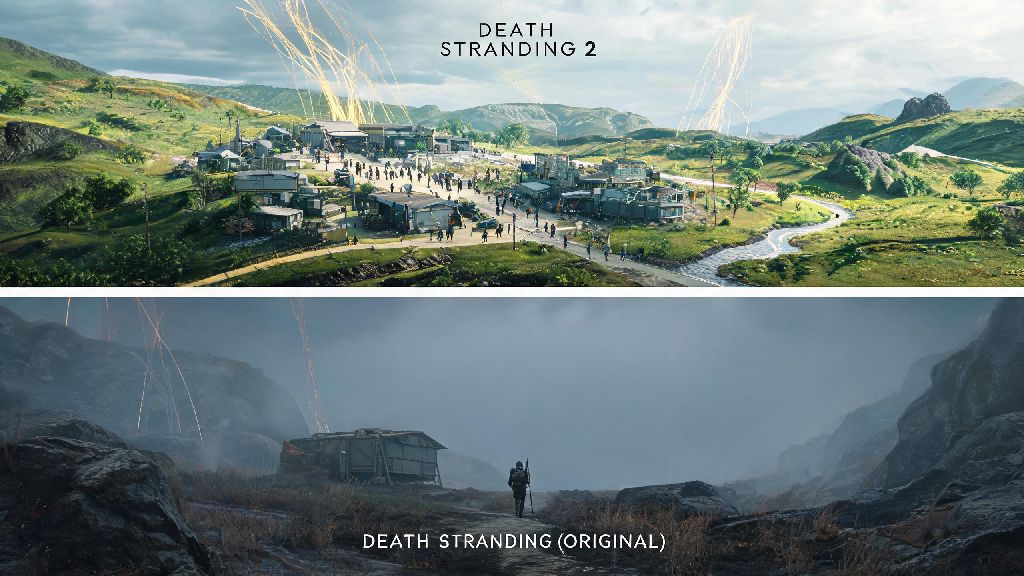
If you’re scrolling through gaming forums in 2026 trying to settle the death stranding 1 vs 2 debate, you’re not alone. Kojima Productions’ two sprawling post-apocalyptic titles have amassed a combined 25 million players worldwide, and arguments over which entry is better pop up on Reddit and Twitter every other day. I’ve logged 137 hours in the original Death Stranding and 112 hours in the sequel, so I’ve spent enough time hauling cargo across both versions of America to break down exactly what sets them apart. This guide will cover every key difference, no major spoilers included for players who haven’t finished either title yet.
Death Stranding 1 vs 2: Core Narrative and Character Arcs
The original Death Stranding tells a tight, linear story focused entirely on Sam Porter Bridges’ journey to reconnect a fractured United States. The cast is small but deeply developed, and every side quest ties back to the core theme of rebuilding connection after disaster. Many long-time fans argue the first game’s emotional beats hit harder because the stakes feel more personal, and there are no filler story beats to pad run time.
The sequel expands the universe dramatically, with a story that spans multiple countries and introduces more than 12 new playable and supporting characters. The plot has branching paths based on the delivery choices you make, so two players can have very different experiences with the main story. If you haven’t played the first game, the sequel includes a 12-minute fully animated recap that covers all key lore points, so you won’t feel lost jumping in blind. But you will miss out on small callbacks and character payoffs that make the sequel’s biggest twists more impactful.
For players who prioritize story over gameplay, the original Death Stranding is still the stronger pick if you want a self-contained, satisfying narrative. If you prefer more lore depth and flexible story choices, the sequel will be a better fit.
Gameplay Mechanics: Quality of Life and New Additions
The first Death Stranding intentionally designed clunky, weighty traversal mechanics to make you feel every pound of cargo you carry on your back. Many players loved this design choice because it made successful deliveries feel genuinely rewarding, but just as many found the unforgiving movement and lack of QoL features frustrating enough to quit before the halfway point.
The sequel keeps the post-apocalyptic delivery sim formula that made the first game iconic, but adds dozens of small adjustments that make gameplay feel smoother without removing the core challenge. Some of the biggest new mechanics that set it apart from the original include:
Another huge change is that timefall storms now have dynamic environmental effects that can permanently alter the map between play sessions. A storm can wash away player-built roads, create new rivers that block your path, or even expose hidden cargo caches buried under rock for thousands of years. Purists might prefer the original’s more predictable, punishing mechanics, but most casual players will find the sequel’s adjustments much more approachable.
Multiplayer Features: Collaborative Play Updates for 2026
The original Death Stranding’s multiplayer was entirely passive. You could see structures built by other players in your world, leave likes for helpful ladders or bridges, and contribute resources to shared road projects, but you never interacted with other players directly. This low-key collaborative fit the first game’s theme of quiet connection perfectly, but many players wanted more ways to play with friends.
The sequel expands multiplayer significantly, with cross-platform multiplayer support that lets you team up with up to two other players for large-scale delivery jobs that require carrying thousands of pounds of cargo across BT-infested terrain. You can also trade rare items with other players directly, or even join MULE raiding parties to steal cargo from other delivery crews if you want to play a more chaotic, anti-hero playstyle that was completely impossible in the first game.
It’s worth noting that as of 2026, the original Death Stranding’s multiplayer servers are still active, but the player count is roughly 70% lower than the sequel’s. That means you’ll find far fewer player-built bridges, roads and shelters in the original game now, which makes traversal even more challenging than it was at launch. If multiplayer collaboration is a big part of why you enjoy the series, the sequel is the clear pick.
Accessibility and Replay Value for Casual and Hardcore Fans
The original Death Stranding had very limited accessibility options. There were no difficulty sliders, no options to adjust text size or subtitle color, and no way to reduce BT aggression for players who struggled with the horror elements. That made the game unapproachable for many casual players, or players with disabilities that made the fast reaction times for BT encounters difficult.
The sequel fixes almost all of these gaps, with customizable difficulty sliders that let you adjust everything from cargo damage on falls to BT aggression to the frequency of timefall storms. There are also full controller remapping options, text-to-speech support, and high-contrast UI modes for visually impaired players. These changes don’t take away from the core challenge for players who want it, but they make the game accessible to a much wider audience.
When it comes to replay value, the sequel has the original beat by a wide margin. It has a fully featured new game plus mode that lets you carry over all your upgrades and unlocks to a new playthrough, plus monthly themed delivery challenges in 2026 that offer exclusive cosmetic rewards for top performers. The only big downside for the sequel is that it requires a constant internet connection even for single-player play, which is a dealbreaker for players with spotty internet. The original has no mandatory online connection for single-player mode, so you can play it anywhere, anytime, no Wi-Fi required.
At the end of the day, the death stranding 1 vs 2 debate comes down to what you want out of your playtime. If you prioritize a tight, self-contained narrative, don’t mind more punishing mechanics, or want a game you can play fully offline, the original Death Stranding is still worth playing in 2026. If you want smoother gameplay, more multiplayer options, better accessibility, and hundreds of hours of post-launch content, the sequel is the better pick. No matter which you choose, you’re in for a one-of-a-kind experience that only Kojima Productions can deliver.