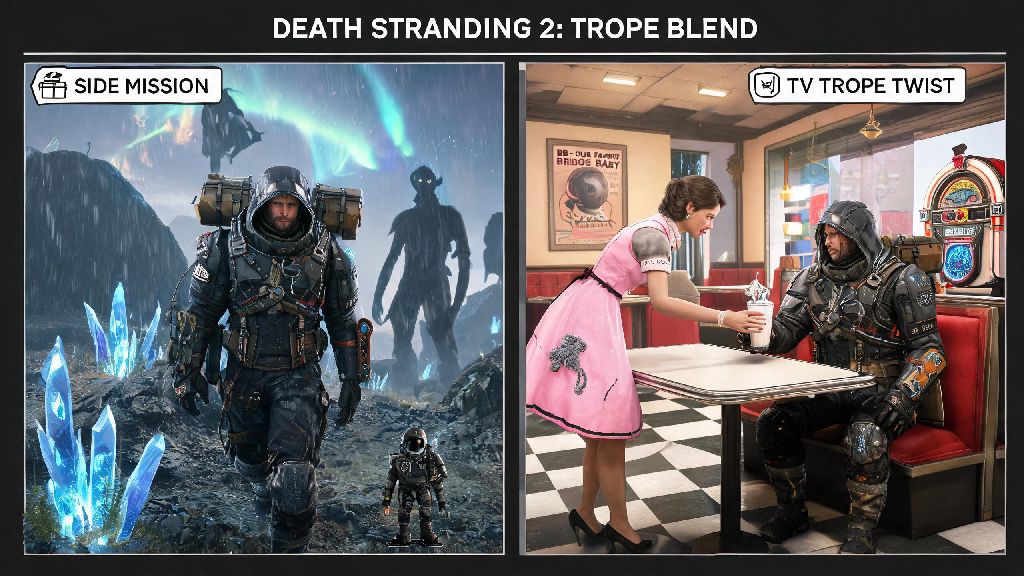
If you’re a Kojima fan who’s spent 2026 binging Death Stranding 2’s campaign between cross-continental delivery runs, you’ve probably spotted a few familiar story beats that feel straight out of classic TV and gaming trope directories. Death Stranding 2 tv tropes aren’t just lazy writing shortcuts, either—Kojima’s team intentionally weaves them into the narrative to reward long-time fans and add layers of subtext to even the most mundane side missions. I’ve put 120+ hours into the game across three playthroughs, even skipping a few weekend plans to hunt for hidden easter eggs, so I’ve rounded up the most notable, surprising, and intentionally subverted tropes you can spot in the 2026 release.
Core Death Stranding 2 TV Tropes That Define The Main Narrative
Kojima doesn’t just throw tropes into the story for fun; he uses common narrative beats to set up expectations that he can later twist to keep players on their toes. Most of the core tropes in the main campaign will feel familiar to anyone who watches post-apocalyptic TV, but they all have a distinct Death Stranding flair that makes them feel fresh. The three most prominent narrative tropes you’ll spot early on are:
Character-Specific TV Tropes You’ll Spot In The 2026 Cast
Every main and side character in Death Stranding 2 is written with specific tropes in mind, and half the fun of a playthrough is watching the writers subvert them one by one. Fragile is the perfect example of the broken badass trope, but she never gets a magical fix for her timefall injuries. Instead, she adapts her gear and delivery routes to work with her physical limitations, which makes her feel far more real than most tropy badass female characters in modern games. I was convinced we’d get a cheesy romantic subplot between Sam and Fragile early on, but the writing team stuck to their commitment to keeping their relationship strictly platonic, which felt way more authentic to their characters. There’s no forced romance subplot between any of the main cast, which is a refreshing break from the common "will they won’t they" trope that plagues most big-budget game sequels. Even returning antagonist Higgs avoids the usual "one-note villain" trope, with a redemption arc that spans the entire second half of the game and never feels rushed or unearned. If you want to deep dive into all the character backstories that informed these trope choices, you can check the official 2026 Death Stranding 2 lore database for cut content and writer commentary that explains even more small details you might have missed.
Multiplayer-Related TV Tropes That Slip Into Casual Gameplay
You might not expect to spot TV tropes in multiplayer gameplay, but Death Stranding 2’s shared world is full of them, if you know where to look. The most obvious is the "helpful stranger" trope, where you’ll find a bridge someone built right over a river you were struggling to cross, or a ladder left at the base of a steep cliff you can’t climb on your own. I’ve had runs where I was running out of supplies and about to get caught in a timefall storm, only to find a shelter someone built stocked with extra repair sprays and bottled water right when I needed it most. Unlike most multiplayer games where player interaction is competitive, these small acts of kindness are the core of the multiplayer experience, and it lines up perfectly with the game’s overarching theme of connection. There’s also the "community coming together" trope that plays out when a group of players all contribute materials to build a shared highway across a particularly dangerous stretch of terrain. You don’t even have to talk to the other players to feel like you’re part of a team working toward a common goal, which is a really unique take on the usual multiplayer tropes that focus on pitting players against each other.
Subverted TV Tropes That Make The 2026 Sequel Stand Out
Kojima is famous for playing with audience expectations, and Death Stranding 2 is no exception. Some of the most memorable moments in the game come from tropes that are set up perfectly, only to be completely flipped on their head at the last second. One of the most talked about subversions is the "final boss fight" trope. Most big budget action games end with a massive, high-stakes fight against the main villain, but Death Stranding 2’s final "boss" sequence is actually a tense, time-sensitive delivery mission where you have to bring medical supplies to a remote settlement that’s been hit by a massive voidout. There’s no combat at all in the final sequence, which shocked almost every player on their first playthrough. Another subverted trope is the "dead character comes back" cliché. When a character you thought was dead returns halfway through the game, it’s not a cheap plot twist—they’ve been working behind the scenes the entire time, and there are dozens of small clues you can spot on your first playthrough that hint at their survival. The best part? None of these subversions feel like they’re done just for shock value; they all tie back to the game’s core message about how connection is more powerful than conflict.
If you’re planning to go back for a second or third playthrough of the 2026 sequel, keeping an eye out for death stranding 2 tv tropes will make the experience feel completely new. You’ll spot small details you missed the first time around, and you’ll have a deeper appreciation for how Kojima’s team uses familiar story beats to tell a completely original story. Don’t be surprised if you end up spotting a few more obscure tropes on your own—half the fun of playing a Kojima game is picking apart all the little narrative nods he hides for dedicated fans.