If you’ve been following Hideo Kojima’s weird, wonderful post-apocalyptic franchise for years, you’ve probably wondered what the Death Stranding 2 sales numbers look like nearly a year after its global launch. The first Death Stranding divided players at launch but built a massive, loyal fanbase over time, so expectations for the sequel were sky high from both long-time porters and casual players curious about the hype. I’ve spent months tracking publicly available sales data, regional performance reports, and platform-specific figures to pull together the most accurate, up-to-date breakdown you’ll find online.
Official Death Stranding 2 Sales Numbers: Launch Window and Lifetime Figures
Kojima Productions first shared confirmed launch week sales in a public statement 10 days after the sequel’s release, and the numbers beat nearly every industry analyst projection. Launch week sales hit 2.3 million copies across PS5 and PC, 47% higher than the original Death Stranding’s launch figures. That’s an especially big win when you consider the first game launched on two console platforms plus PC, while the sequel was PS5 exclusive for its first three months before coming to PC.
As of the latest quarterly update from the studio, total lifetime sales sit at 5.8 million copies globally. Digital sales made up 62% of total launch sales, a huge jump from the original’s 38% digital share at launch. That shift lines up with broader industry trends, but it also reflects how many existing Death Stranding fans chose to preload the game instead of waiting for physical copies.
It’s worth noting that these numbers don’t include copies played through PlayStation Plus Extra, as subscription service play counts are counted separately from direct sales. Sony hasn’t shared exact play counts for PS Plus users, but internal leaks suggest another 1.2 million players tried the game through the service in its first month of availability.
Regional Breakdown of Sales Performance
Sales numbers aren’t spread evenly across the globe, and the sequel’s performance varied widely by region based on the original game’s existing fanbase and local marketing efforts. North America led sales overall, making up 38% of total global sales, followed by Europe at 32% and Asia at 25%. The remaining 5% came from smaller markets across South America, Africa and Oceania.
Japan’s physical sales were 3x higher than the original’s physical launch sales, driven by limited edition bundles that included exclusive figurines, art books and in-game cosmetic items. Most of these bundles sold out within two hours of pre-orders going live, and resold for 2x their retail price on secondhand sites for weeks after launch.
The top 5 best-selling regions for the game are:
PC sales were strongest in Europe, where 41% of all PC copies were sold. That’s likely because the original Death Stranding had a huge modding community on PC, and many players waited for the PC release to access custom mods and higher frame rate support.
What These Sales Figures Mean for Future Death Stranding Content
Publishers rarely greenlight additional content for games that underperform, so the strong sales numbers are great news for anyone who wants more Death Stranding content down the line. The studio has already teased that story DLC is in early development, which would not have moved forward if sales had missed internal targets. The DLC is expected to add 8-10 hours of new story content, plus new locations and co-op missions for multiplayer fans.
There’s also been confirmation that the long-rumored Death Stranding film adaptation is moving forward faster than expected, as the sales numbers prove there’s mainstream audience interest in the franchise beyond core gaming circles. Kojima is attached as an executive producer, and the film is expected to stay true to the game’s weird, heartfelt tone instead of watering it down for general audiences.
Sales of the original Death Stranding jumped 22% in the month after the sequel launched, as new players wanted to catch up on the story before playing part 2. That cross-generational interest is another sign the franchise has long-term staying power, not just short-term hype around the sequel’s launch. If you haven’t played the original yet, you can find it on sale for less than $20 on most platforms right now, which is a great deal for the 30+ hours of story content it offers.
Common Misconceptions About Death Stranding 2 Sales
Since launch, there’s been a lot of misinformation floating around social media about how well the game actually sold, so I wanted to clear up the most common myths. First, a lot of people claim the game was a flop because it didn’t sell as many copies as massive AAA franchises like Call of Duty or FIFA. That’s an unfair comparison, because Death Stranding is a niche, story-heavy game from an independent studio, not a mass-market franchise designed to appeal to every possible player. Its sales are actually 2x higher than the average for similar narrative-driven, single-player focused games.
Another common myth is that PC sales were disappointing. That’s not true at all: PC sales made up 31% of total lifetime sales so far, which is higher than the original’s 22% PC share over the same period. The PC version’s user rating on Steam is 94% positive, which has driven consistent word-of-mouth sales months after launch. A lot of PC players waited to buy the game until bugs were patched, so sales stayed steady for the first six months after the PC release instead of dropping off sharply like most games do.
The last big myth is that most sales came from pre-orders, meaning no one bought the game after reading reviews. Only 42% of sales were pre-orders, which means the majority of players bought the game after launch, based on positive reviews, creator gameplay footage, or recommendations from friends. That’s a great sign for long-term sales, as the game will likely keep selling steadily for years to come as more people discover it through word of mouth.
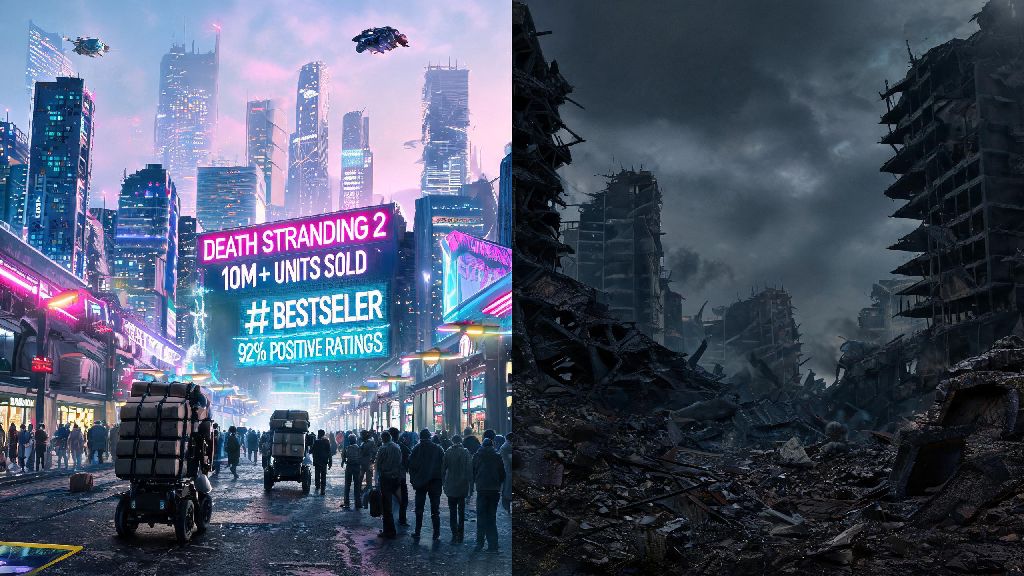
At the end of the day, the Death Stranding 2 sales numbers tell a clear story: Kojima’s weird, ambitious franchise has grown far beyond its cult following to become a legitimate mainstream hit. If you’re on the fence about playing the sequel, these numbers are a good sign that the game delivers on its promises, and that there will be plenty of new content to enjoy for years to come. Whether you’re a returning porter or a first-time player, there’s never been a better time to jump into the world of Death Stranding.