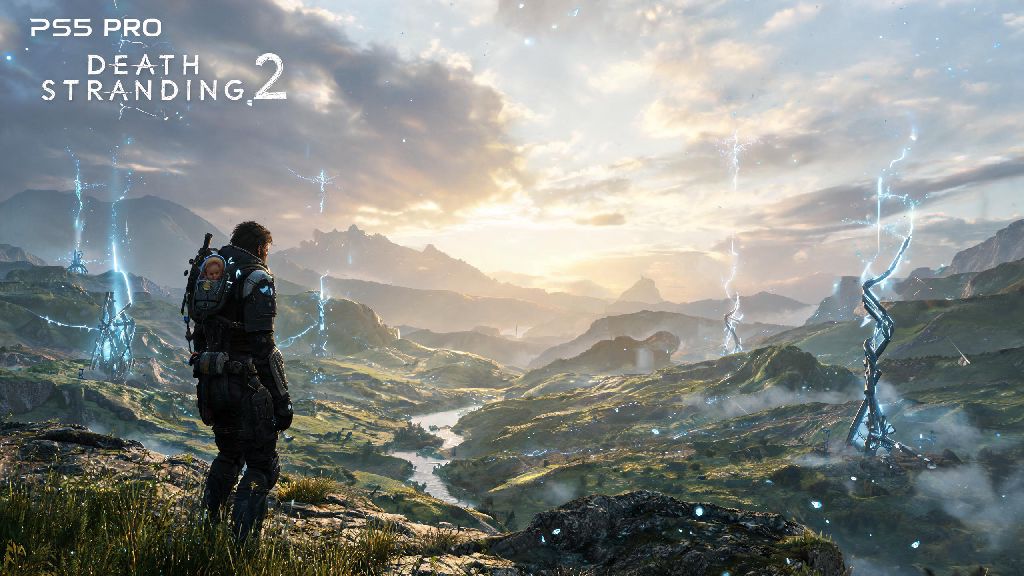
If you’ve spent even an hour trekking across the post-apocalyptic, timefall-scoured landscapes of Death Stranding 2, you’ve probably noticed the music isn’t just throwaway background noise. It’s a core part of the experience, swelling when you crest a snow-capped mountain after a brutal 3-hour delivery, fading to a soft hum when you’re hiding from rogue BTs in a ravine, and hitting hard during every quiet, emotional story beat between characters. This deep dive into Death Stranding 2 songs covers everything you need to know about both original compositions and licensed tracks, plus how the soundtrack ties directly to gameplay and narrative choices you’ll make across your playthrough.
What Makes Death Stranding 2 Songs Stand Out From Other Game Soundtracks?
Most open world games use pre-programmed looped tracks that switch based on broad context, like combat or exploration, but Kojima Productions took a way more intentional approach here. Every track in the game is placed to trigger based on specific, small actions you take, not just generic game states. Dynamic music triggering means the song you hear when you finally reach a remote settlement after fighting through a storm is tied directly to your unique journey, not a one-size-fits-all scripted moment.
You also won’t find generic stock music here. The team spent three years curating and composing tracks that match the game’s core theme of hope amid isolation, so every note feels aligned with the world you’re exploring. Even the quiet, ambient tracks that play when you’re walking alone through an empty field have layers of subtle sound design that make the world feel more lived-in and real.
Many players report that certain tracks are now permanently associated with their favorite in-game memories, from their first successful cross-country delivery to their first time beating a giant BT boss. That level of emotional connection is rare for game soundtracks, and it’s exactly what the team set out to create.
Original vs Licensed Death Stranding 2 Songs: Breakdown of Key Categories
The full soundtrack is split almost evenly between original compositions and licensed tracks, each serving a different purpose in the game. Ludvig Forssell’s original score makes up roughly 60% of the total tracklist, and it’s used almost exclusively for story cutscenes, boss fights, and quiet, intimate character moments. Forssell worked with folk musicians from Iceland and rural Japan to create a sound that feels both desolate and warm, matching the game’s contrasting tones of isolation and community.
The licensed tracks are all hand-picked by Hideo Kojima himself, and they’re mostly used for open-world traversal segments. Long-time fans of the first game will be happy to hear that Low Roar’s music is still a core part of the franchise, even after the passing of frontman Ryan Karazija in 2022. Kojima worked directly with Karazija’s estate to include previously unreleased tracks as a tribute to his work, which defined the sound of the first Death Stranding.
The full licensed tracklist covers a wide range of genres, but fan favorites fall into four core groups:
You won’t hear any of these licensed tracks in cutscenes, by design. The team wanted to keep story moments focused on the original score, so licensed tracks only play when you’re in full control of your character, making them feel like a soundtrack to your personal journey rather than the game’s pre-written story.
How Death Stranding 2 Songs Tie Directly to Gameplay Mechanics
The soundtrack isn’t just a nice add-on—it actually impacts how you play the game, if you know how to use it. You’ll unlock a portable backpack speaker within the first two hours of the main story, and you can use it to play saved tracks while you travel. But there’s a catch: playing music at full volume will attract BTs if you’re in a chiral contamination zone, so you have to be strategic about when you turn it on.
Unlocking the full soundtrack isn’t as simple as beating the main story, either. Most of the rarer original and licensed tracks are locked behind side deliveries for a reclusive musician NPC located in the central mountain region. Each delivery he requests will unlock 2-3 new tracks for your playlist, so it’s worth taking time to complete his requests early if you care about customizing your travel music.
Certain Death Stranding 2 songs only play when you’re traveling with specific companion characters, too. For example, Fragile’s personal theme plays automatically when you’re making a timefall run with her, and a softer folk track plays when you’re traveling with the game’s younger companion character, which adds an extra layer of personality to every shared journey. You can turn off character-specific tracks in the settings if you want, but most players leave them on for the extra immersion.
If you’re playing on hard mode, the portable speaker has 50% less battery life, so you’ll want to carry extra chiral batteries if you plan to listen to music for long stretches of travel. It’s a small detail, but it adds an extra layer of strategy to packing for long deliveries.
How to Save and Curate Your Favorite Death Stranding 2 Songs In-Game
One of the most requested features from fans of the first Death Stranding was the ability to save and curate custom playlists, and the sequel delivers that fully. When a new track starts playing while you’re traveling, you’ll get a small pop-up in the corner of your screen for 10 seconds that lets you save the track directly to your personal playlist. If you miss that window, you’ll have to wait until the track plays again naturally, or unlock it via the musician NPC’s side quests.
Custom playlist support lets you sort tracks by mood, energy level, or even genre, so you can make specific playlists for different types of deliveries. For example, you can make a calm, slow playlist for long, easy cross-country deliveries, and a high-energy playlist for when you’re racing against timefall to deliver urgent medical supplies. You can also set tracks to play on repeat, or shuffle your full library for a more random experience.
Many players report that their favorite Death Stranding 2 songs are the ones that played during their first big successful delivery across a dangerous region, which creates a lasting emotional association between the track and that personal win. Taking a few minutes to save those tracks when they pop up will let you revisit that feeling any time you want on later playthroughs.
If you want to listen to the soundtrack outside of the game, the full OST is released on all major streaming platforms a month after the game’s launch, including all original tracks and most of the licensed tracks. A small number of licensed tracks are exclusive to the game due to copyright restrictions, but 90% of the full tracklist is available to stream whenever you want.
At the end of the day, the Death Stranding 2 songs aren’t just something to listen to while you play—they’re a character in the game themselves, shaping how you feel about every delivery, every encounter, and every story twist. Whether you’re a long-time fan of the franchise who loved the first game’s iconic soundtrack, or a new player who’s just discovering how much intentional music design can add to a game, taking the time to unlock and curate your own playlist will make every hour you spend in the game feel more personal and rewarding. Next time you head out on a long cross-country delivery, don’t forget to pack extra batteries for your speaker, pick a track that fits the mood, and watch how the world around you seems to move in time with the music.